






Mustafa Khan
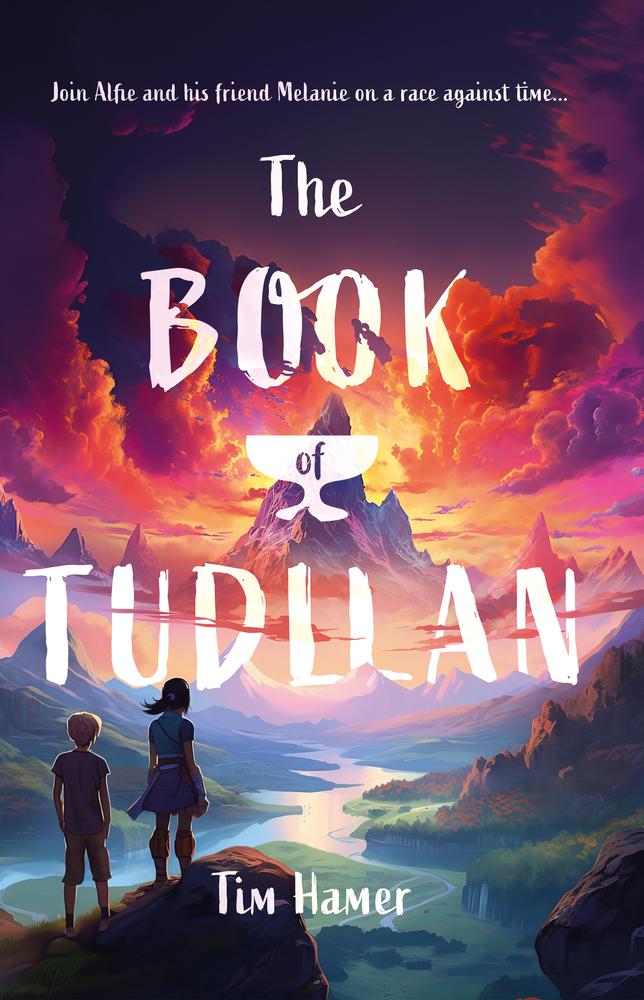
Feedback for The Book of Tudllan by Tim Hamer Overview: The Book of Tudllan is a well-crafted dual-timeline historical fantasy novel for the 12+ YA audience. With emotional stakes rooted in a young boy’s quest to save his mother, the narrative weaves together ancient legend and modern mystery with elegance and suspense. Author Tim Hamer creates a world that is both grounded in personal grief and elevated by mythic possibility, making this story both deeply human and richly imaginative. Strengths: 1. Powerful Premise & Emotional Core: The novel’s central conflict — Alfie’s race to find a healing artifact before it’s too late — is both urgent and heartfelt. It gives young readers a protagonist they can believe in, and a quest that is relatable through its emotional weight. 2. Evocative World-Building: The Abbey woods, ancient orchards, and the atmospheric ruins are all described with poetic sensitivity. The prose conjures a tangible sense of place that enhances the story’s mythic undercurrent and draws readers into a liminal space between past and present. 3. Pacing and Suspense: The chapter A Mystery in the Wood is particularly strong. It builds tension steadily, with a cinematic sense of timing. The mysterious woman and her tactical entourage are intriguing, and their interaction with the jeweled book immediately raises questions, setting the plot in motion effectively. 4. Characterization & Voice: Alfie’s questions are sincere and introspective, allowing readers to connect with his vulnerability. His friendship with Melanie (hinted in the synopsis) adds balance to his internal journey, and likely serves as a touchpoint of lightness, wit, or logic. Areas for Development: 1. Stakes Integration Within Scenes: In action or discovery scenes, consider threading in more references to Alfie’s motivation — his mother’s illness — to keep emotional tension active alongside the plot. Even brief internal reminders can maintain urgency and deepen reader investment. 2. Refining Descriptive Flow: Some richly detailed sections, especially those describing the natural environment, could be lightly trimmed for pace. Maintaining rhythm and momentum — particularly in early chapters — will keep YA readers turning pages. 3. Antagonist Depth and Motivation: The mysterious group introduced in the woods is visually and tonally compelling. To elevate them from generic ‘treasure hunters,’ consider gradually revealing their ideological motives or personal connections to the Grail — whether spiritual, scientific, or self-serving. 4. Dialogue Distinction: While effective, the dialogue could benefit from subtle stylistic differences among characters, particularly the silver-haired woman. A unique cadence or vocabulary could reinforce her role and give her a memorable presence on the page. Market Positioning & Audience: The Book of Tudllan will resonate with readers of Philippa Pearce, Katherine Rundell, and Susan Cooper, as well as fans of The Dark Is Rising, The Mysterious Benedict Society, and The Secrets of the Immortal Nicholas Flamel. Its blend of ancient legend, real-world emotion, and accessible mystery makes it ideal for both leisure reading and classroom discussion. This manuscript is well-suited for: - Traditional publishing with a YA imprint - Educational market licensing - Adaptation into graphic novel or screen format Conclusion: Tim Hamer has written a deeply engaging, emotionally driven adventure with mythic scope and contemporary heart. With fine-tuning of pacing and antagonist development, The Book of Tudllan has the potential to stand proudly within the upper tier of modern YA fantasy. It’s a manuscript worthy of submission, further development, and professional representation.
