





Sport & Hobbies
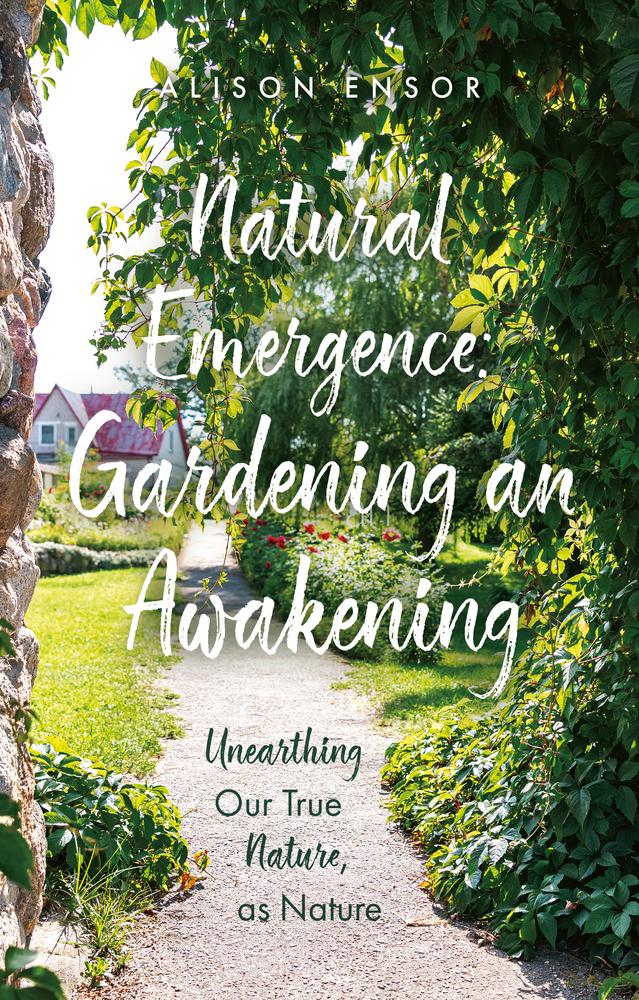
This book is an exploration of the ordinary garden nature most gardeners spend their time at odds with - pests and weeds. By observing her reactions to such species, it came as a shock to Alison Ensor, nature lover and permaculture gardener, that she too was separating from nature when in conflict with it.
Taking an insightful look into why we believe this fallacy of separation, Ensor intertwines her personal story with the human journey from indigenous belonging to modern disconnection. In particular she looks at the ecological role of maligned species we separate ourselves from the most, highlighting the systems’ intelligence in even the most mundane, like slugs, snails, bindweed and brambles.
Describing how closely observing and inwardly sensing plants and wildlife led to her own emotional healing and awakening, she gives step-by-step guides for the reader to find this wisdom for themselves. Ensor believes we are continually being ‘gardened’ by nature, that the messages our bodies give us through emotional reactions and inner sensations are guiding us to the emergence of our true nature – awakened beings living in natural harmony with ourselves, each other and our home planet.
Here's what readers have to say about this book....
Prepare to be gardened. Ensor’s book recounts her own brave exploration into the heart of nature and the soul of every gardener. (Which as Ensor wisely notes is all of us, because ‘everything gardens’: every living thing works to adapt its environment.) By the closing pages we are taken into a way of being where the land is not merely owned and worked on, but intimately known, and deeply loved, rather than battled. She offers practical signposts and transformative practices, urging us toward a profound shift in perception. Any grower will recognise, and yet be surprised by, her slug encounter—an epiphany! The garden, she shows us, does not need to be a battlefield, where serenity is hard-won and every victory over pests, weeds, and weather is matched by setbacks and struggle. Planting and nurturing, uprooting and pruning, burning and shredding are only a small part of the story. As a gardener, allotmenteer, and orchard manager myself, I was struck by the simple honesty with which Ensor exposes our sometimes tempestuous relationship with the earth. She highlights the truth: we often begin with a desire to dominate, to bend nature to our will. It is her own keen observations and frank self-examination that reveal how true connection comes through a compassionate engagement with the land – and our resistance to this may be well hidden. Following Ensor as she forges a radical bond with her plot of land is both familiar and challenging. Her reflections on the ordinary moments of frustration, pride, and surprise are deepened by her extensive knowledge of animal, plant, and soil life. Her credentials are impeccable – she has years of managing land with permaculture principles, teaching, designing, and running courses - but it’s her lived experience that truly fascinates. As the journey unfolds, we see, with her, that the land itself is a ‘gardener’, shaping us as much as we shape it. Ensor uncovers hidden treasures of intuition and unconscious connection, a heritage waiting for anyone brave enough to experiment. The old image of a human imposing upon the land melts away, replaced by vivid experience of belonging within a complex and beautiful web where we are but one thread among thousands of interdependent living beings. Observing both ourselves and the life around us with an open heart and curious mind will bring us into a reciprocal dance based on a deeper understanding.
Written in a flowing, easy style this book is both inspirational and challenging. By recounting some of her own experiences of gardening and nature the author tackles some of the deep-seated ideas that we tend to hold around our place in the living world and how we perceive things. Especially compelling is the notion that if we are able to suspend our dominant visual sense, silence our inner narrative and allow our other senses to come to the fore we can feel more holistically. We can become more attuned to our surroundings, our fellow beings and the pattern of things that is emerging. This can provide us with an opening to other possibilities, other ways of interpreting the world. We can make choices which are less focussed on our own self-interest and thus more holistic in nature. Taking simple examples from her garden the author is able to make such ideas more tangible for the reader. Learning to see the value of plants such as nettles rather than considering them to be weeds that should be eradicated. Learning to be less reactive and more creative in our responses to perceived challenges. If you are a gardener, a nature lover or just an occasional visitor to green spaces this book will inspire you to feel into the moment, to find a softer, kinder way of being in the world.
Get the latest Troubador articles, news and events sent directly to your inbox.