







John Douglas (on Amazon)
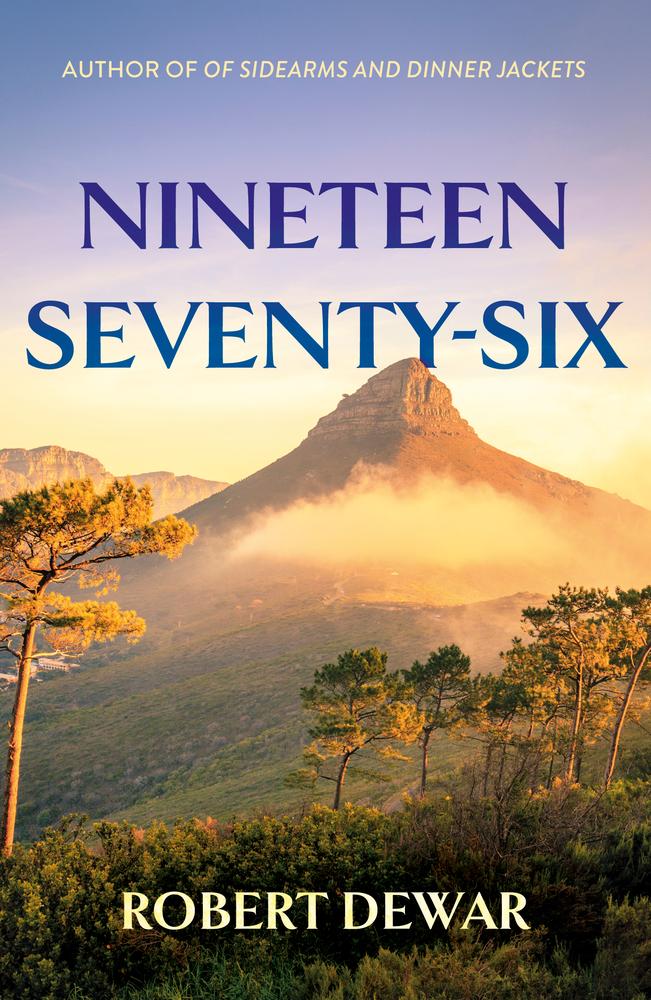
Robert Dewar’s particular strengths as a writer – a well-structured plot, a praiseworthy command of language, an accurate and lively description of the various locations and settings within the story, and an ability to bring alive the characters – are very evident in ‘Nineteen Seventy-Six.’ Richard, the protagonist in ‘Nineteen Seventy-Six,’ is all too human: flawed, failing, at times utterly lost, he quickly gains the reader’s sympathy and support. The other characters who feature in this story are portrayed with equal empathy. This is a love story twice over: not only is ‘Nineteen Seventy-Six’ a love story in itself, but Robert Dewar’s deep knowledge of and love for Cape Town and the Cape Peninsula is very evident. If you have never visited Cape Town and the Cape Peninsula, you will wish to do so after reading this story. Neither “gritty” nor “edgy” (those qualities beloved of trendy contemporary UK publishers), ‘Nineteen Seventy-Six’ is an elegy for a lost age: for a South African society and culture long since eradicated (and no doubt, deservingly so), but which (politics aside) possessed a particular charm of its own. Although the story is set for the most part in the year 1976, against the backdrop of civil unrest, racial strife, and not infrequent violence which swept across South Africa that year, it is not a political story. This is a story which chronicles the lives of very ordinary (as in, conventional) people, but who are possessed of particular character quirks which bring them wonderfully alive. I thoroughly enjoyed reading ‘Nineteen Seventy-Six.’
