

2nd October, 2026
13 min read
9 Reasons People Choose Self-Publishing Over Traditional Publishing

Written by:
Alex Thompson
For many authors, their book being commissioned by a traditional publisher remains the most attractive route to publication. Benefiting from their editorial expertise, professional production, distribution and marketing support, with the publisher taking responsibility for many of the practical and financial aspects of bringing a book to market, is hard for many authors to turn down.
But traditional publishers are more cautious than ever with the project they take on, making a debut author’s chances of landing a publishing contract with them extremely challenging, if not impossible. Luckily, it is not the only way to bring a book to market. The more barriers to traditional publishing have been put up, the more self-publishing has become an increasingly established route, giving authors greater control over their publishing decisions and allowing them to decide how much of the process they want to take on themselves.
Despite the name, self-publishing no longer means having to do everything yourself. There are plenty of routes available, including:
- Free or low-cost digital platforms that allow authors to publish independently, but with minimal external support
- Authors hiring freelance editors, designers, proofreaders or marketing specialists for specific elements of the process.
- Assisted full-service self-publishing, where authors work with a publishing company that can provide a range of professional services while the author retains control of their book and publishing decisions.
The right approach will depend on the individual author, their experience, budget, ambitions and the amount of support they want. So, rather than asking whether self-publishing or traditional publishing is better, it is worth looking at why so many authors are choosing to publish independently, and the different ways they can do so.
1. Traditional publishing can be difficult to break into
For many aspiring authors, one of the biggest challenges of traditional publishing is simply getting through the door. Publishers receive a huge number of submissions, but can only acquire a very small proportion of the books put forward to them. As a result, having a completed manuscript is only the very beginning of the journey.
For an author to break into the traditional publishing route, they will need to:
- Identify suitable agents
- Prepare submission materials
- Wait for (hopefully!) a positive response from the right agent
- After this, the agent will need to acquire a traditional publishing deal
Unfortunately, with traditional publishing, there is no guarantee that a manuscript will be taken forward anytime soon or even at all. Even a strong book may not find a traditional publishing deal if it does not fit a publisher's current list, commercial plans, or simply gets lost among the many other submissions to be reviewed.
For authors who do secure a traditional publishing contract, there can also be a considerable wait between acceptance and publication. The publisher will determine whether and when the book is published, alongside decisions around areas such as positioning, cover design and format.
None of this means traditional publishing is the wrong choice. For many authors, the opportunity to work with an established publisher and have the publisher take responsibility for much of the publishing process is exactly what they are looking for. However, the barriers to entry can make it an uncertain and lengthy route. Self-publishing removes that initial gatekeeping stage.
2. You retain more control over your book
One of the biggest attractions of self-publishing is the level of creative control it gives authors over their book. From the title and cover design to the format, content and publication date, the author remains at the centre of the decision-making process.
With a traditional publisher, many or even all of these decisions will ultimately sit with the publisher, with the author sometimes being able to offer their input. This can be a positive part of the traditional publishing relationship, particularly for authors who value having an experienced publishing team make those decisions. But for authors who have a clear vision for their book, having the final say can be particularly important.
Importantly, retaining control does not mean having to do everything yourself. An author can work with professionals on a range of services, including:
- Editorial
- Design
- Proofreading
- Marketing
- Typesetting
- Full-service self-publishing (includes all of the above, and project management)
And, as it’s self-publishing, the author will still make all the final decisions about their book. This means self-publishing can offer the best of both worlds: the freedom to make your own publishing choices, alongside professional expertise and support where you need it.
For many Troubador authors, control is exactly why they opted for self-publishing. Rosemary Griggs says:
“I decided to self-publish to maintain control over my work. I didn’t want a publisher to push me towards trends like murder, mystery or time-slip romance. I also didn’t want to be encouraged to write another version of Anne Boleyn’s life. I wanted to tell the stories of the women of sixteenth-century Devon my way.”
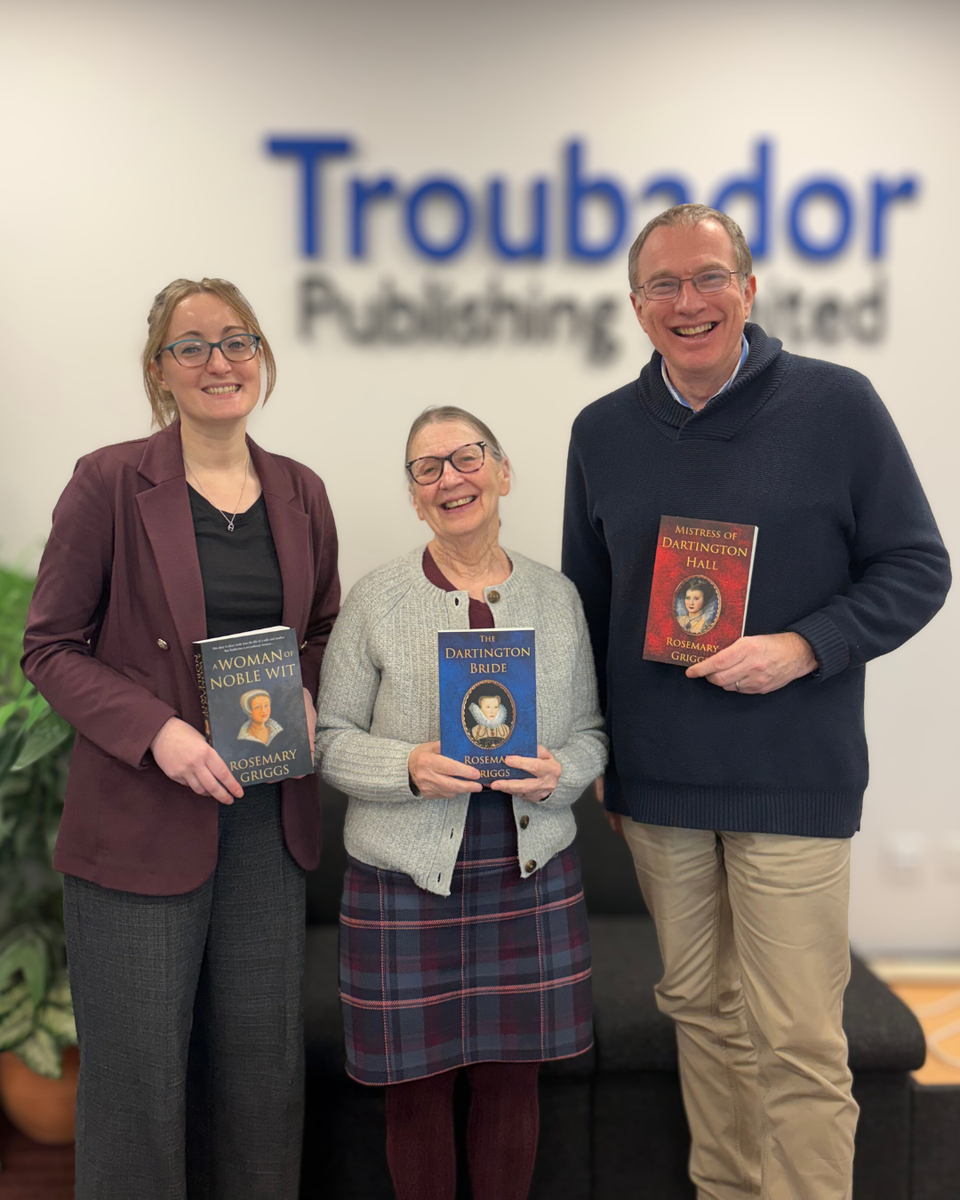 Rosemary Griggs with some of the Troubador team, holding her three publications from the Daughters of Devon series.
For MBE Steve, it meant “the book could be just as I envisioned it,” and marketers turned authors, Aleksandra and Elliot King, valued “agility and creative control.”
3. You can publish on your own timeline
Another major attraction of self-publishing is having greater control over when your book reaches readers. Traditional publishing can involve a lengthy process, from securing representation and a publishing deal through to editorial work, production and the eventual publication date could take years. For some authors, that timeline can be difficult to align with their own plans or desire to simply get the book out into the world.
For Troubador author Eleanor Anstruther, the speed of self-publishing was a massive benefit for her: “the speed is light years faster than the traditional model,” she says. Troubador author Alex Atherton had the same experience: “my main issue was wanting a particular publishing date,” he says. “There’s many other advantages [to self-publishing], but that was the decider for me.”
The differences in timeline for publication between the two routes can be quite vast:
- According to PublishingPush, getting a traditional publishing deals can take 2-3 years from start to finish.
- Self-publishing can take a matter of weeks (with platforms such as Amazon KDP and no services) to around 6-9 months (with full-service self-publishing). For more information on the length of the self-publishing process, check out our article here.
Self-publishing allows authors to work towards a publication date that suits them. This can be particularly useful for books connected to a particular event, anniversary, season or personal deadline, but also for authors who don't want to wait several years to see their book published.
That doesn't mean the process has to be rushed or handled alone. As we’ve addressed, authors can bring in professional support for editing, design, production and other stages of the publishing process, while retaining control over the overall timetable. The result can be a professionally produced book, published when the author is ready to bring it to market.
4. You can choose exactly which services you need
Self-publishing gives authors the freedom to decide how much of the publishing process they want to handle themselves. For some, that might mean taking care of everything from formatting the manuscript and creating the cover to uploading the finished files to a publishing platform. This can be an affordable and rewarding option, particularly for authors who have the skills and time to do it themselves.
Others prefer to bring in specialist help where they need it. An author might commission an editor or proofreader, for example, while handling the design and production themselves, or bring in professionals for cover design, typesetting, marketing and distribution.
There is also the option of working with an assisted self-publishing company like Troubador that can provide all of these services under one roof. This can make the process more straightforward for authors who want professional support without having to manage all the elements of the publication themselves.
5. Professional quality is still achievable
A common misconception about self-publishing is that they are always distinguishable from traditionally published books due to their lack of quality. In reality, the quality of a book is determined by the expertise and care that goes into producing it, rather than simply by who publishes it.
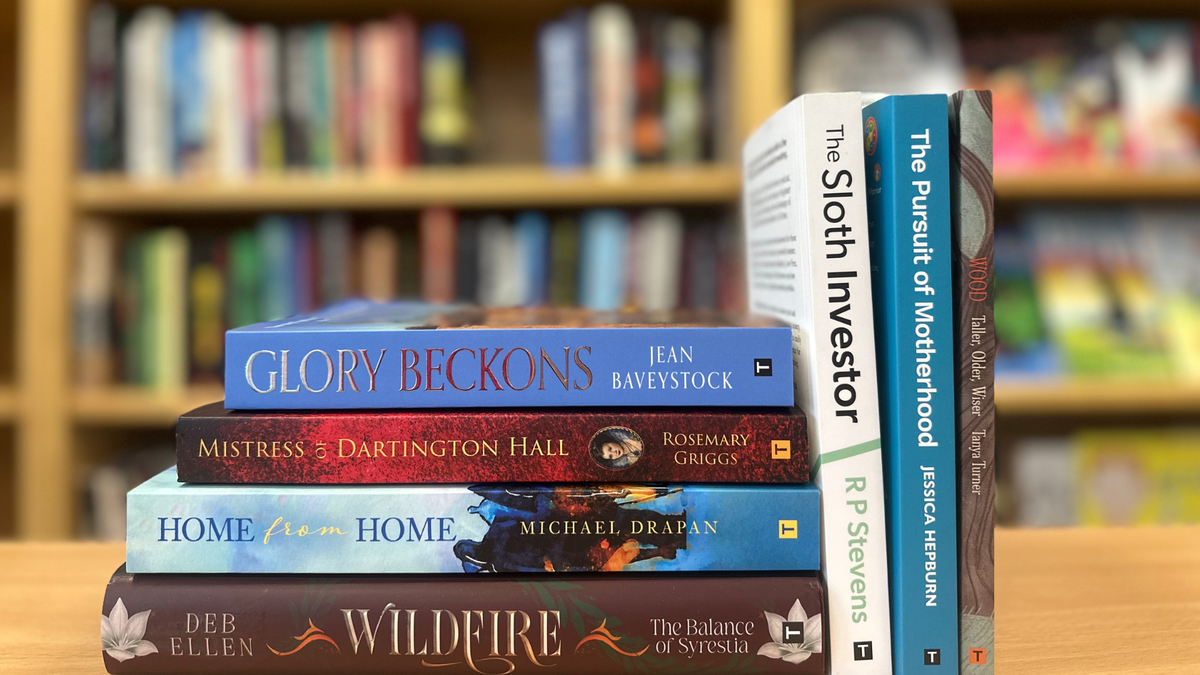
As we’ve discussed, self-publishers now have access to a range of professional services which can allow self-published authors to create books to a professional, commercially competitive standard. Opting for professional editing, design, typesetting and production and professional print quality can result in a finished product that looks and feels just as polished as readers would expect from a traditionally published title.
Of course, authors who have the relevant skills may be perfectly happy to handle some or all of this themselves. There are plenty of tools and platforms that make this possible, and for many authors this is exactly what they are looking for.
For those who want more support, assisted self-publishing provides access to publishing professionals who can handle specialist aspects of the process. The author can therefore remain in control of their book while benefiting from the expertise needed to produce it to a professional standard.
For bestselling authors Ben Hunt-Davis and Harriet Beveridge, partnering with Troubador meant that they could achieve “independence and control” whilst “achieving the same professional standards expected in traditional publishing”.
“We wanted a partner who could support us in producing a high-quality book. It wasn’t just about getting the book out; it was about getting it right.”
By opting for services, self-published books can be indistinguisable from traditionally published titles.
For authors interested in achieving a professional-quality self-published book, you can read our article on the subject here.
6. Your book can still get into physical bookshops
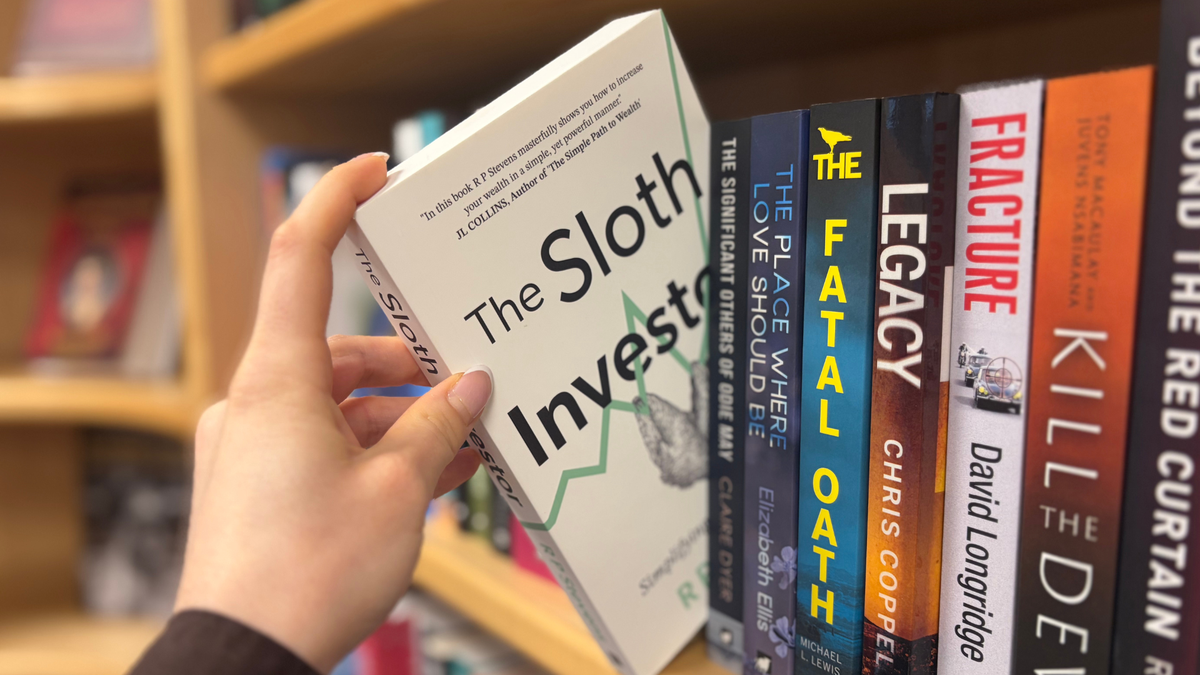
One common misconception about self-publishing is that it means your book will only be available online or via print-on-demand. In reality, self-published books can and do make their way onto bookshop shelves, including independent bookshops and larger high-street retailers, as long as you have the right distribution set up.
 With access to proper distribution set-ups and print runs, many Troubador authors see their books stocked in bookshops, including Waterstones. Photo credits go to authors Jonathan Frost and Mikaela Jackson.
Simply uploading a book to an online retailer does not necessarily give a bookshop the same ability to discover, order and stock it as a traditionally published title. Authors who want their books to be available through the book trade need to use the right distribution channels and ensure the book has the appropriate metadata, pricing and trade terms.
With the right distribution methodology, an independently published book can be made available to bookshops, online retailers and libraries through established book-trade networks. This can give booksellers the ability to order copies through the same kinds of wholesale and distribution channels they use for other titles.
For authors who publish themselves entirely, platforms such as IngramSpark can provide access to these networks, although authors need to understand exactly what each platform offers and how its distribution works. Alternatively, assisted self-publishing companies can manage this process for authors, using established distribution infrastructure and book-trade relationships.
For Rosemary Griggs, this was a very important part of her self-publishing journey. “Troubador has helped me get my book into mainstream and independent bookshops,” she says, “a highlight so far has definitely been seeing copies of A Woman of Noble Wit regularly placed on the Historical Fiction table in Waterstones, alongside books by famous writers like Alison Weir and Philippa Gregory.”
7. You retain your rights
For many authors, one of the most important advantages of self-publishing is retaining ownership and control of their work in all formats. Rather than entering into a publishing agreement that may grant a publisher certain rights for a specified period, the author remains in control of their intellectual property and can decide how and where their book is published.
This can give authors greater flexibility over the future of their book. They can make decisions about different editions, formats, territories and potential licensing opportunities without necessarily needing approval from another publisher.
However, self-publishing does not automatically mean every arrangement is the same. Authors should always check the terms of any platform, freelancer or publishing company they work with and understand exactly what rights, if any, they are granting.
For authors using an assisted self-publishing service, it is therefore important to choose a provider that is transparent about rights and ownership. Professional support can cover everything from editorial and production to distribution and marketing, without requiring the author to give up ownership of their work.
8. Publish according to your own goals
We work with self-published authors every day, and there are so many reasons that people want to publish: not every author publishes a book because they want to become a bestselling author. Reasons to publish can vary, including:
- Seeing their name on the cover of a finished book is a lifelong ambition
- Documenting a family history
- Having a credibility signal for a business
- Share a story with friends and relatives
- Explore a subject that they are passionate about
- Share a story that may not have been successful with traditional representation
- Completing a creative project
Self-publishing gives authors the freedom to define what success means to them and choose a publishing approach that reflects those goals.
Depending on what your goals are will often shape the route the author may take
- If someone’s creating a family memoir to share with a relatively small group of people, a straightforward, low-cost DIY route may be exactly what they need.
- For an author who wants to pursue a commercial career, investing in professional editing, cover design, production, distribution and marketing may make more sense.
- A specialist non-fiction author might prioritise editorial expertise and reaching a particular audience
- Another author may simply want the satisfaction of holding a professionally produced copy of their book in their hand.
There is no single definition of a successful book, and there is no single level of investment that is right for every author. Self-publishing allows you to decide how much time, money and professional support you want to put into the process, whether that means doing everything yourself, commissioning individual specialists or working with an assisted self-publishing provider.
9. Self-publishing doesn't mean doing it alone
The term self-publishing can sometimes give the impression that an author has to do everything themselves. In reality, there are several different ways to publish independently, and authors can choose the level of support that works for them.
DIY self-publishing
This is the most hands-on approach. Authors can use platforms and tools to manage everything themselves, from preparing their manuscript and designing their cover to publishing the finished files and managing sales. For authors with the time, skills and confidence to take on these tasks, this can be an accessible and low-cost way to publish.
Freelance support
This sits somewhere in the middle. An author can remain responsible for their overall publishing project while bringing in individual specialists for the areas where they need help, such as editing, proofreading, cover design, typesetting or marketing. This gives authors considerable flexibility over both the process and their investment.
Full-service self-publishing
Full-service self-publishing provides another option for authors who want more comprehensive support. Companies such as Troubador can bring together a range of professional publishing services, from editorial and design through to production, distribution and marketing, while the author retains ownership and full creative control of their book. This can be particularly useful for authors who want their book to be produced and distributed to a professional commercial standard, but don't necessarily have the time, expertise or desire to manage every part of the process themselves.
The important point is that self-publishing does not have to mean publishing alone. Authors can choose to do everything themselves, outsource individual elements or work with a publishing company for support across the whole process. The choice comes down to what the author wants to achieve, how involved they want to be and how much support they need.
Self-publishing gives authors the choice
There is no single reason why an author chooses to self-publish, and there is no single way to do it. For some, it is about taking control of a book they have always wanted to write. For others, it is about reaching as many readers as possible, building a writing career or simply getting their work into print without waiting for a traditional publishing deal.
The important thing is that self-publishing gives authors choices. You can publish a book yourself using free or low-cost platforms, bring in individual specialists where you need them, or work with a full-service self-publishing company that can provide professional support across the publishing process.
Nor does choosing to self-publish mean compromising on quality or reach. With the right expertise and distribution arrangements, independently published books can be professionally edited, designed and produced, made available to bookshops and online retailers, and distributed to readers around the world.
To learn more about authors who have achieved success from self-publishing, from Rupi Kaur to Beatrix Potter and beyond, read our article exploring 8 self-publishing success stories here.
Ultimately, there is no right or wrong way to self-publish. The best approach is the one that fits your book, your ambitions, your budget and what you want to get from the experience of becoming a published author.
About the Author
Alex Thompson
Managing Director
Alex is a seasoned leader with extensive experience in small and medium-sized businesses. As Managing Director of Troubador and its sister company, The Book Guild, Alex collaborates closely with both teams to drive business growth, enhance internal processes and expand opportunities for self-published authors. Passionate about innovation, Alex is always on the lookout for new technologies or processes that improve efficiency and streamline operations to give our authors the best possible publishing experience. Outside of work, Alex enjoys experimenting in the kitchen, exploring the outdoors, being out on the golf course and supporting Leicester City FC.