

23rd September, 2026
10 min read
Self-Publishing Non-Fiction: Things Authors Should Consider

Written by:
Becky Connolly
Often when people think of self-publishing, they think of fiction authors. But the truth is that self-published non-fiction books are on the rise. According to Publishers’ Weekly, top-scoring self-published non-fiction categories in 2025 included:
- Juvenile non-fiction (401,716 books)
- Games and activities (354,684 books)
- Travel (246,615 books)
At Troubador, many of our titles are non-fiction. Whether they’re academic texts, business books used as a credibility signal, self-help or more, we publish hundreds of non-fiction titles every year. In fact, one of our non-fiction titles was recently acquired by Penguin, having sold over 100,000 copies as a self-published title with Troubador.
If you’re looking to self-publish a non-fiction book, there may be different services or options that you might want to consider to elevate your book’s chances of success. In this article, we’ll be taking advice from a range of self-publishing experts across Production, Editorial, Marketing, Digital and Distribution, to help you consider what approach might be best for your non-fiction self-published title.
Production
Written by Lauren Alexander, Production Controller at Troubador Publishing
With an infinite number of topics to cover, there is no ‘one size fits all’ process for the production of non-fiction titles. From educational scientific texts, through to showstopper cookbooks, and everything in-between, there are a lot of elements to consider.
Typesetting
Typesetting is the process of arranging the text and the images on the page. In typesetting, authors consider:
- Book size
- Paper type
- Genre
- Audience
- Cover design
To shape
- Extracts and line breaks
- Running heads
- Images
- Font
- Margins
- Page Numbers
- Footnotes
- Indexes
For non-fiction books, consider in particular if the book would benefit from footnotes, explanatory notes of even an index? How should these be styled? Will your book include any images, or any graphs?
Layout in typesetting is also crucial. If you’re working on a cookbook, for instance, you’ll want to ensure that the typesetting is done to a professional standard, to ensure your publication looks its best.
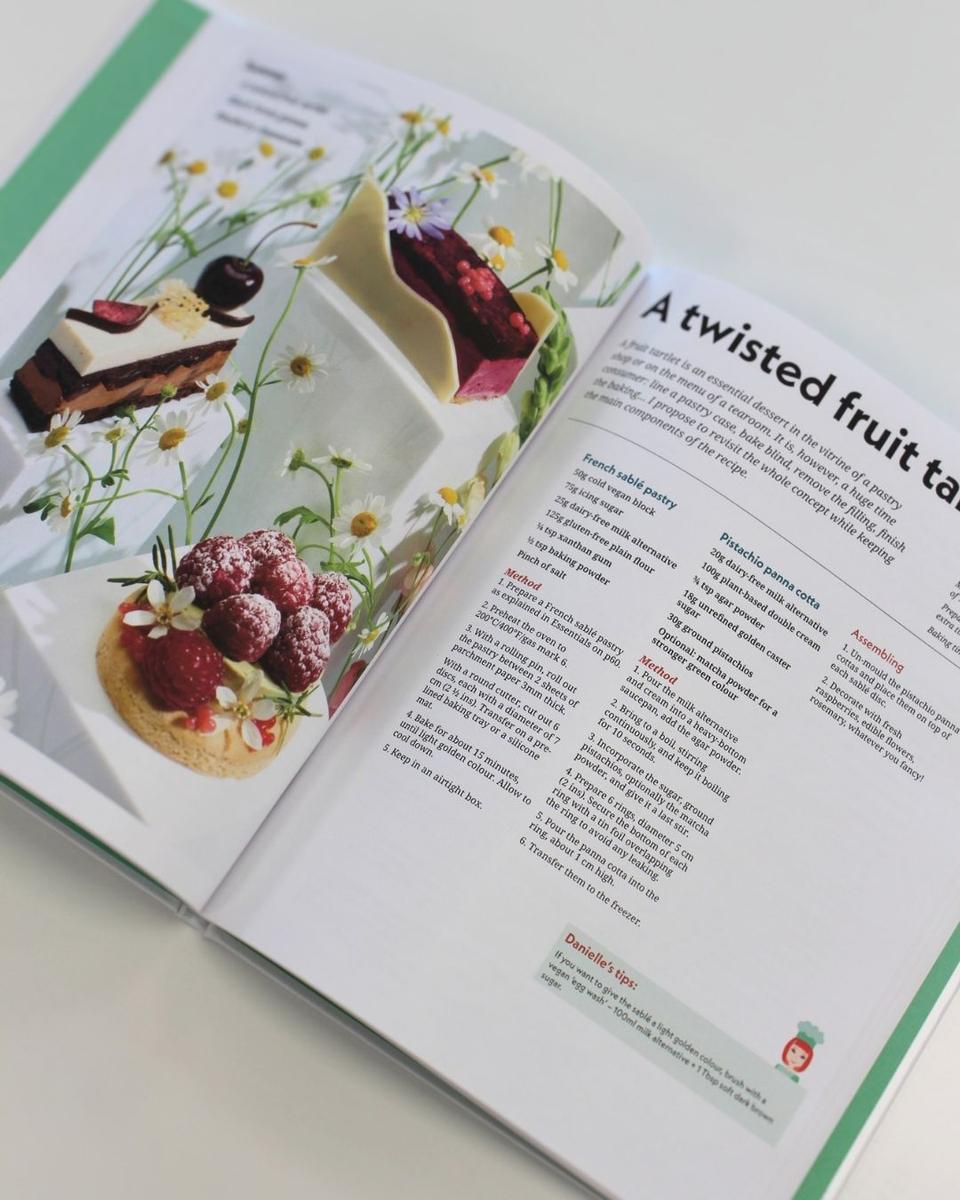 Ensuring professional layout is crucial, particularly for publications such as cookbooks. Pictured: Veganissima, published by Troubador
An experienced typesetter, like those we have working in our team, can help guide this process, even down to selecting the correct fonts for both the genre and readability.
For more information about typesetting, read our article which covers the topic in more depth here.
Paper Type
It’s quite common for non-fiction titles to be image heavy, be it with illustrations, photos, or detailed graphs.
In these cases, we would recommend a heavier and silkier paper type to really make the most of these images, so that they’re crisp and clear for your readers. Selecting the correct materials is an integral part of the final finish.
Cover Enhancements
Speaking of finishes, that beautiful cookbook sat on the shelf in the kitchen might benefit from a gloss laminated cover, to make it a little easier to wipe clean and store in the busiest room in the house. But an in-depth research piece that is meant to be dipped in and out of by the reader might sit more comfortably on the bookshelf, bound in cloth, foil blocked with a ribbon to keep the page marked.
It’s important to bear in mind that non-fiction doesn’t mean impersonal! Step away from the memories of a school textbook and add your individual stamp to the final product. A memoir, for example, needs character and flair, fitting for the person(s) of topic and we will take that into consideration when working with you on your title.
Considering how different cover enhancements can make your non-fiction book either stand out, or be more in-line with genre standards (like a gloss laminated cover for cookbooks) can be crucial in the perception (and therefore the sales) of your publication. For more information on different cover enhancement options for self-published authors, check out our article here.
When you publish with Troubador, it’s a collaboration between the author and the production team to ensure that your work is presented in the way you intended it to be.
Editorial
Written by Lauren Miller, Deputy Editorial Manager at Troubador Publishing
From bibliographies, to indexes, images and jargon, there are many editorial considerations to bear in mind when self-publishing a non-fiction book, and some additional book editing services may be required. We recommend considering the following:
Developmental edit
Many people think a developmental edit is only for fiction titles – but this isn’t true!
A developmental edit will assess the clarity of your book’s argument, its structure and tone and will be carried out by an experienced editor familiar with your genre.
An editor will delve into aspects such as:
- The appropriateness and frequency of headings
- Relevance of appendices
- Whether chapters/sections are well balanced and if they could be presented in a more logical order
- Whether the jargon and acronyms are appropriate for the target audience.
- Which type of referencing system may work best.
Non-fiction books also run a higher risk of encountering a range of legal issues, from libel, to privacy issues and copyright infringement, so having an editor read and assess your work at an early stage can be beneficial in picking up any potential problems. The Society of Authors have a useful copyright guide to copyright on their website.
Whether you’re intending to publish via Troubador, Amazon KDP or any other self-publishing company, a developmental edit is the first step in ensuring your book is fit for purpose and includes all the vital elements readers will expect from your particular non-fiction genre.
Troubador’s sister company Libero offers a developmental edit service, along with other book editing services.
Images
If you’re planning on including images in your book, don’t forget captions for these, and make a note of any intratextual references to check post-typeset. For example, if you’ve written something like ‘in the diagram below’ or ‘the photo on page 60’, the layout could change during typesetting, meaning that the diagram now appears above the text reference, or the photo is now on page 61.
Layout
We often see authors try to lay out the text in their Word document manuscript how they’d like it to appear in the book, which makes sense!
Whilst this can be a useful layout guide for the typesetter, features such as multiple columns, manual tables using the tab key, text boxes and shapes can make an editor’s job difficult, not to mention that the layout you’ve worked so hard to create will not transfer into professional typesetting software.
We therefore recommend that any specific layout preferences are detailed in a separate document for the typesetter, or coded within the manuscript, e.g. highlighted text represents text that should appear in a box. Keep the manuscript text as straightforward as possible, and let the magic happen at typeset!
Index
Finally, most non-fiction books will benefit from having an index to allow for effective information retrieval. Troubador and Libero can help with creating professional indexes.
Digital
Written by Megan Lockwood-Jones, Digital Publishing Manager at Troubador.
Ebook Distribution
Before publishing a non-fiction ebook you want to consider which platforms you’re going to distribute your ebook to. Many authors publish their ebooks through Amazon KDP (some also opting for Amazon’s KDP Select programme which involves making the ebook available exclusively through Amazon), however there are many other ebook retailers where certain non-fiction genres sell well. For example, self-help and business books, as well as technical guides and travel books are popular genres on Google Play and Kobo.
Ebook Functionality
Hyperlinks
Ebooks can contain hyperlinks. This means that non-fiction titles that contain footnotes or endnotes should ensure that the notes are hyperlinked within the ebook, to allow readers to click back and forth between the superscript number and the corresponding note. This functionality is something that non-fiction readers love about their ebooks, so ensuring your book uses this function is really important.
Speaking of hyperlinks, did you know that website addresses can be hyperlinked in an ebook allowing a reader to go directly to the linked website (if their device allows)? This can be useful when referencing particular websites. It is also possible to insert links between chapters so that readers can click from one section straight to another chapter referenced within an ebook.
Search Function
Another feature of an ebook is the search function which is extremely useful for readers who are looking for a particular keyword or topic within an ebook. Readers can search for what they are looking for and be shown all of the places where that word/term occurs. They can then click to go to that section of the ebook. This search function acts as a digital index within the ebook.
Marketing and Publicity
Written by Emily Gett, Publicist at Troubador Publishing
Publicity
A publicity campaign aims to raise awareness of a book's publication by sending a press release out to news outlets (newspapers, magazines, radio stations etc…) with the aim of securing coverage. This may be an interview or Q&A with the author, a feature on the book, or maybe a giveaway. Publicity campaigns are always bespoke to the book itself, so a publicist will look at the book’s genre, subject matter, and the background of the author, to identify angles they can pitch to journalists.
Depending on the subject matter of the book, non-fiction titles can be well suited to media marketing campaigns as they have a very specific niche. Your publicist will be able to target specialist magazines or blogs related to the subject and there will be a strong hook for the editor as their readers will already have an interest in the subject matter. It is important for the author to let their publicist know of any particular publications which may be interested, this could be specialist magazines you are subscribed to, or places you came across while researching your book.
As non-fiction books tend to be written by someone who is an expert in their field, articles can be a great way for an author to show their authority on the subject, and to demonstrate their vast knowledge. Articles written by the author are also very low effort for the outlet publishing it, so can be more appealing to busy journalists who don’t have the capacity to write something themselves. So it can be very helpful for authors to suggest article ideas for their publicist to pitch to outlets.
Some examples of articles centred on non-fiction self-published books include 'The Lost Greyfriars Bobby', 'County Durham businesswoman Nickie Gott launches memoir on resilience', 'Working with celebrities isn't always plain sailing – a stage manager's tale' and 'Exploring South Sussex Tracks, Trails, and Twittens'.
Getting Non-Fiction Books Into Bookshops: Trade Marketing
Many non-fiction authors would like to see their books in physical bookshops, and that's where our trade marketing and sales presentation service comes in.
In this service, our marketing team will identify bookshops who may be interested in a title to target with the advance information sheet. Typically this will be bookstores in the author’s local area, or where the book is set. In the case of non-fiction titles, say the book is about a historical figure, they would target the area the subject lived or where there is likely to be historical interest.
For instance, Troubador author Peter Caton found great success getting his non-fiction book, My Father’s Dartmoor, stocked in bookshops in Devon, as the subject was a place of local interest.
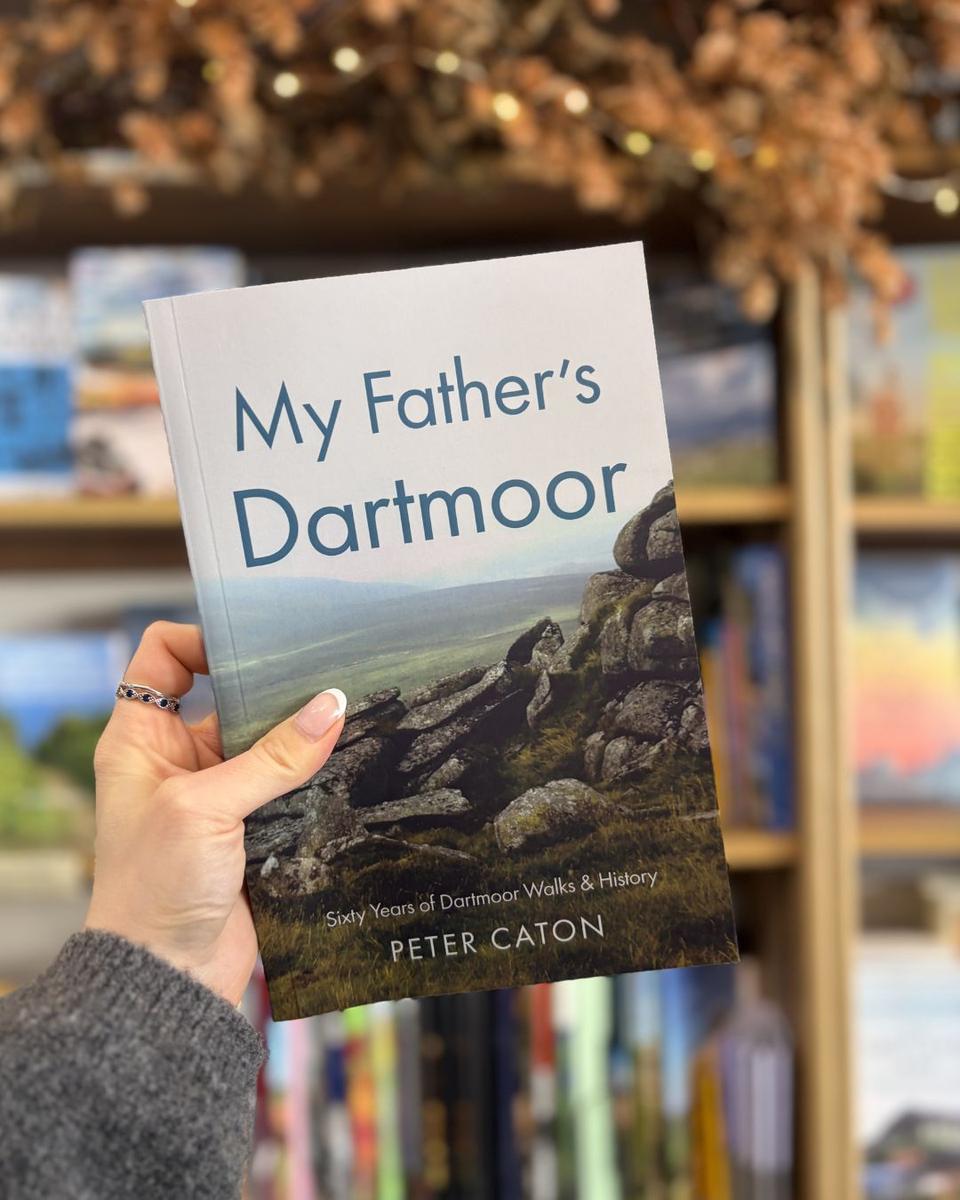 By targeting shops around Dartmoor, Peter Caton was able to get his self-published non-fiction title stocked by bookshops.
For non-fiction titles there may also be museums, information centres or even National Trust properties with an interest in the subject matter. Please have a think about the places you visited while doing your research, if they have a gift shop it could be somewhere to target!
Titles and Subtitles
Non-fiction books often have a title and a subtitle. A subtitle is a good way to situate the book in a specific time period, or to give the reader additional context as to what the book is about.
Distribution
Written by Warehouse Operations Supervisor, Gary Marshall
Last but (certainly) not least, it’s important to consider your distribution strategy for your non-fiction book.
Many non-fiction authors will want to be able to have a stock of their books at events that they host, whether it’s to promote your business, showcase your culinary skills, or display your knowledge on a subject. If you’d like to do this regularly, you’ll need to consider what printing and distribution set-up you’ll be opting for.
If you decide to publish on a platform like Amazon KDP, your books will be print-on-demand. This means for events you’d have to order a certain number of books yourself and, if you don’t sell through them, you’ll have to manage the stock, as there isn’t anywhere for you to return your books.
If you opt for a full-service provider like Troubador, you can opt for a print run. These books will then be stored at our warehouse, and can be delivered to you for events. If you don’t sell through them, you can send them right back to us – and we’ll also use the print runs to fulfil orders to book trade and customer orders. A print run set-up also means you can be stocked in physical bookshops, which is definitely an added bonus for many of our authors!
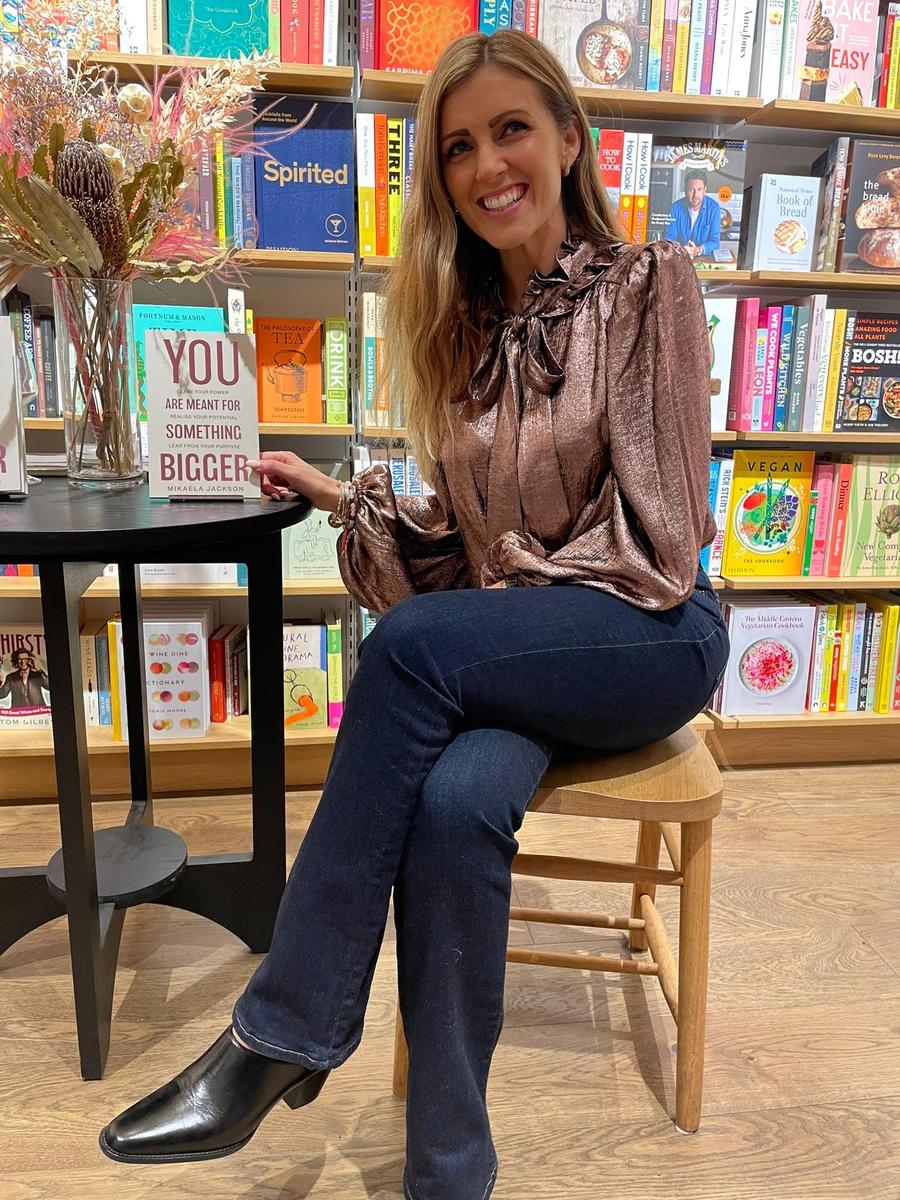 Troubador author Mikaela Jackson and her self-help book at an event in Waterstones. Photo credits remain with the author.
To learn more about the difference between print on demand and print runs, read our article written by Operations Director Chloe May here.
Conclusion
Choosing to self-publish a non-fiction book is such an exciting time, but making sure you understand exactly what services will be most beneficial for you is crucial! If you have finished your non-fiction book and are interested in receiving full-service self-publishing support, contact a member of our team today.
About the Author
Becky Connolly
Marketing Executive
Becky joined Troubador in September 2025. She studied her BA in English at Exeter, and her MA in Creative Writing at Royal Holloway. Alongside this, she has edited three self-published novels, spent a year writing for the Publishing Post, and worked in marketing in both the education and agriculture sectors. Becky brings her experience of marketing strategy and content creation to craft effective marketing campaigns, promoting Troubador’s services and our authors’ books. In her free time, she loves reading, writing, and treating her cockapoo to long walks and puppacinos.