
26th June, 2026
6 min read
What Cover Enhancements Are There? Cover Enhancements For Self-Published Authors

Written by:
Chelsea Taylor
We’ve all done it. We’ve gone into a bookshop, and immediately been drawn to the cover with the sparkling silver foil, or been mesmerized by a beautiful, bold sprayed edge. Cover enhancements can elevate a book cover from being nice to striking, from unnoticed to noticed.
For a long time, self-published authors have been limited in their options for cover enhancements. Many self-publishing set-ups use print-on-demand, a printing technology that does not allow for cover enhancements. However, publishing services like Troubador have allowed for self-publishers to opt for print runs, and with that a whole new dimension in the world of cover design.
Like all things self-publishing, this new terrain leaves self-publishers with questions: what are the different options? Which ones are right for me?
Printed Inside Covers
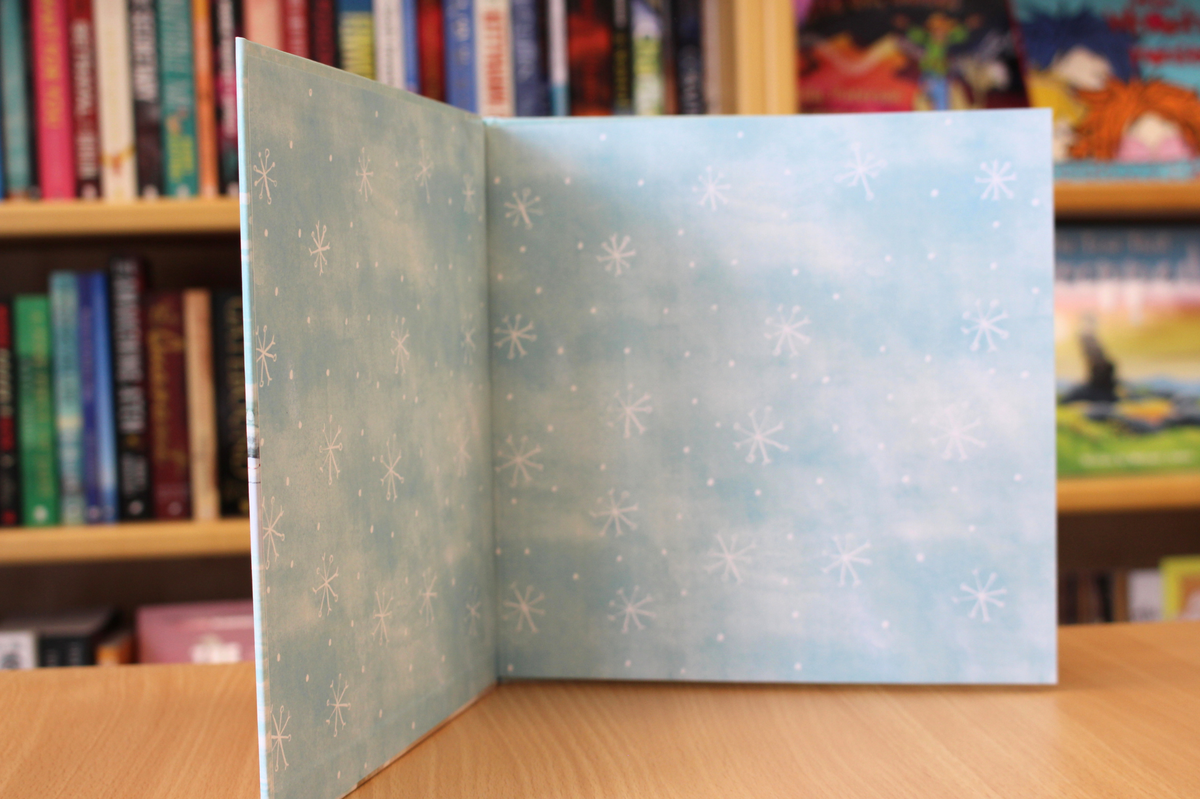
Printed inside covers are, as the name implies, where the inside of the cover has been printed and not left blank.
The inside covers may also have additional design features, such as:
- Block colour
- Patterns
- Additional content such as an ‘About the Author’ section, or a map giving the setting of the book.
Printed inside covers work well when tied to the design of the front cover and the themes of the book. This is one of the most affordable options on offer, but is often overlooked by those looking to give their readers a little extra. Inside cover print can make the book feel more special, and it’s a feature much loved by TikTokkers and Instagrammers who are showing off the book that they love.
Embossing/Debossing
Embossing and debossing are where lettering or some of the design is ‘stamped’ into the cover board, creating either a raised (embossing) or imprinted (debossing) feel. Rather than being noticeable from a distance, these give the book a more tactile feel in the hand – and are often used alongside other effects like metallic foils, to draw attention to a title. They add a 3D edge to covers that other enhancements don’t. To generate embossing files that a printer will need requires some tech know-how – but an experienced publishing company such as Troubador should take care of this for you.
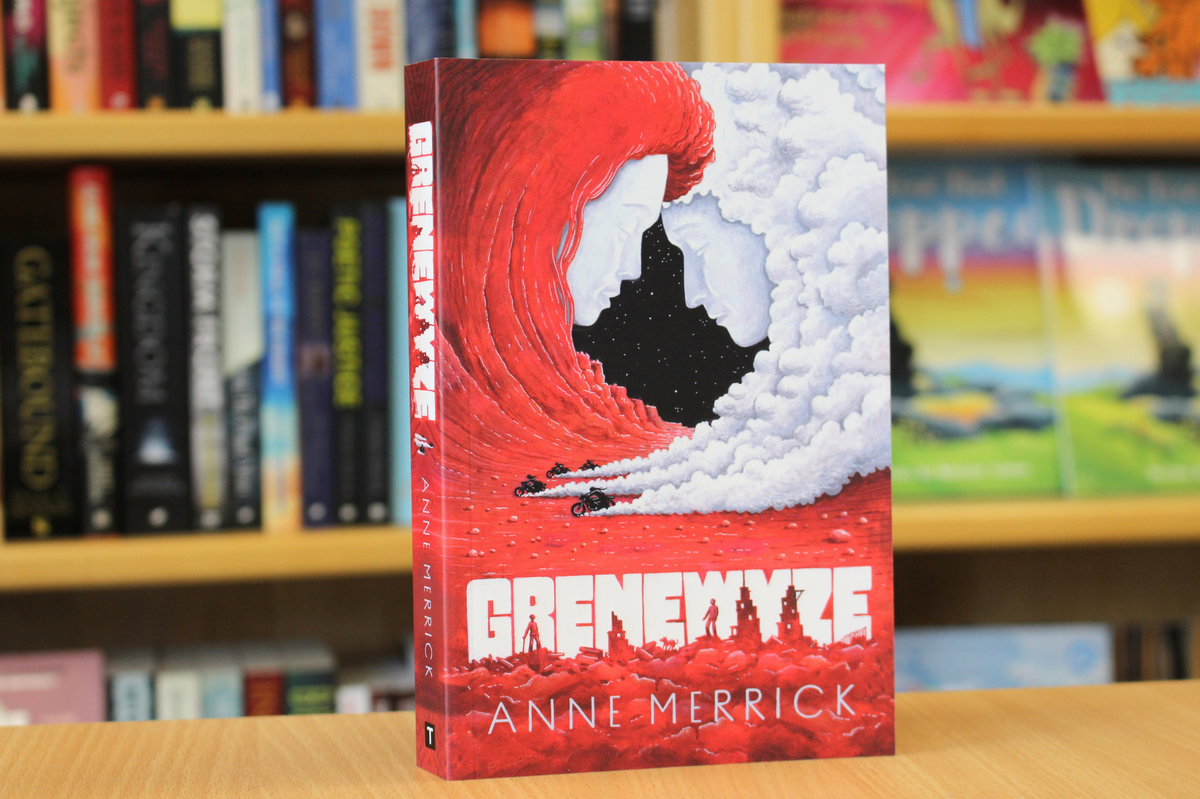 The elements on the cover of Grenewyze are debossed, which adds depth to the cover
Laminates and Spot UV
Laminates are transparent coatings added to the covers of books to help protect the cover, but they can also enhance cover design. There are two common finishes, matt and gloss – gloss leaves a shiny cover, often found on children’s books, whereas matt is a non-reflective finish more widely used on modern fiction. Books may also be left unlaminated, which creates a more organic feel, but this can leave a book more susceptible to marking and damage. Spot UV is a clear gloss laminate that is laid on top of matt laminate to bring a shine to key parts of the cover, from titles to design elements. Spot UV can be applied on both the cover, spine and back cover, and can also be used with embossing, though this is more costly to produce, of course. Spot UV without embossing is one of the least costly enhancements available to authors, injecting that stand-out finish onto your cover.
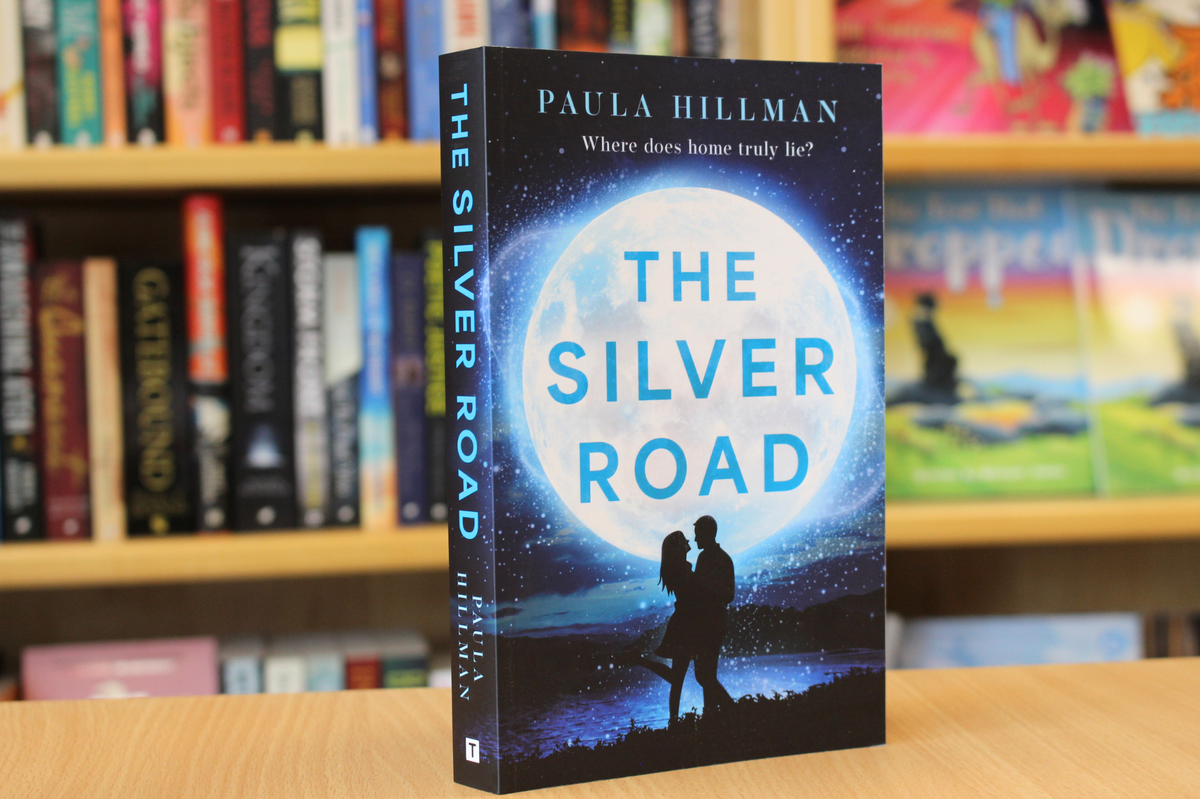 The moon on The Silver Road has spot UV, which means it sparkles in the light!
Metallic Foil
Foiling is the process where a metallic foil is applied to elements on the cover, and is applied to the cover using heat. Although usually left shiny, matt foil is also available, which is achieved by the foil being layered first, and a matt laminate placed on top; and there are also patterned and holographic foils available – at a cost, of course!
Foil used to be used for the big-name crime thriller writers in the 1970s to really highlight author names, but foils are now used in more creative ways to bring designs to life, often weaving in and out of the design.
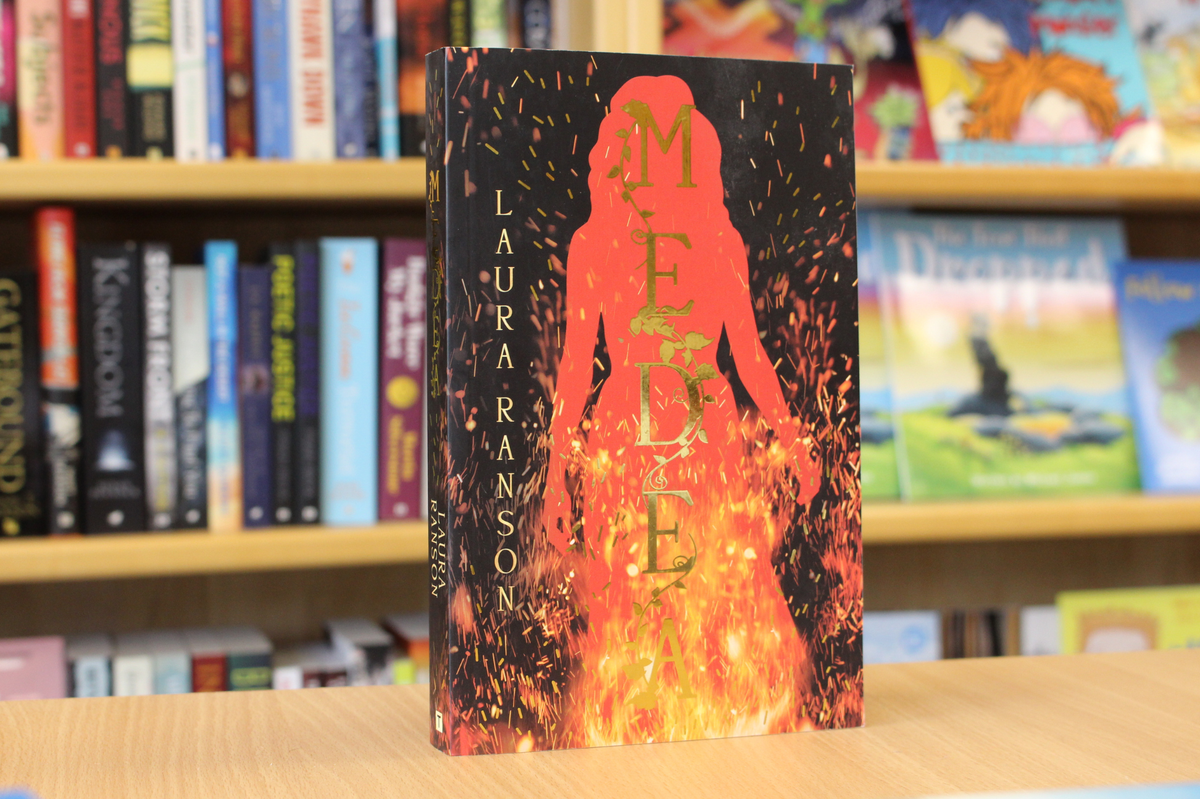
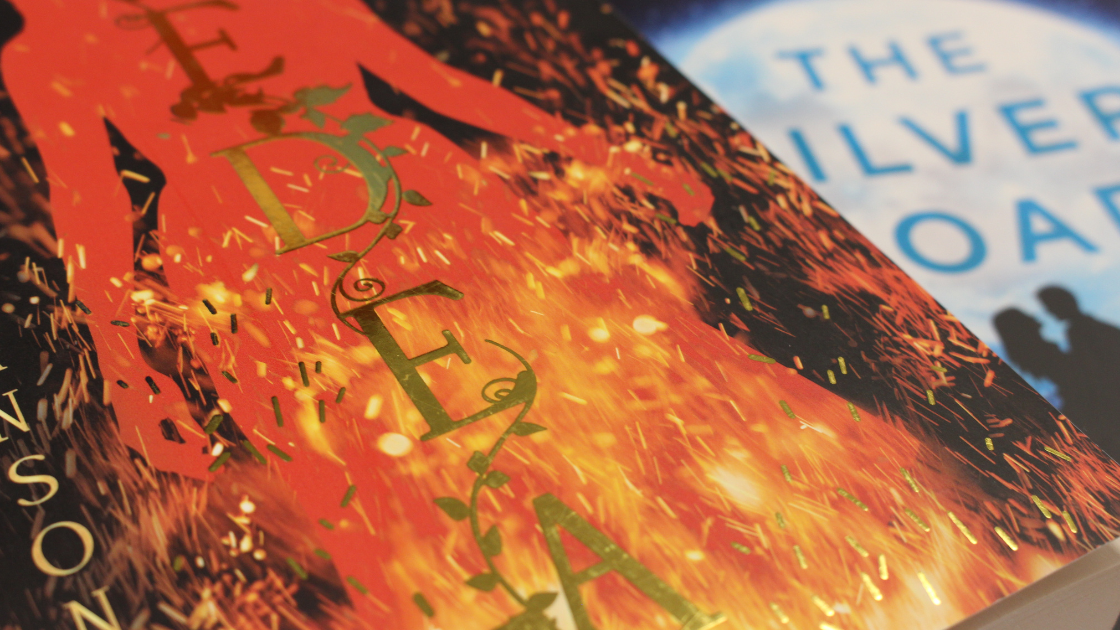
The title and flecks of fire on Medea have gold foil, which really adds dimension to the cover and, once again, means it sparkles in the light.

Sprayed Edges
Sprayed edges are, as the name implies, where the edges of a book’s pages are sprayed/painted in a colour without bleeding down onto the text the inside the book. There is a variety of colours available, so you can choose something that closely matches the mood of your book. This can be more costly, but it also means your book can be distinguished from others on the shelf – and as so few books have sprayed edges, it immediately captures attention. Stencil sprayed edges are also available and can be customised to reflect the mood of the book, such as flowers and vines for romance, or a main plot point, such as a dagger. Again, sprayed edges are beloved of the fantasy genre, especially with influencers who like to showcase beautifully designed books.
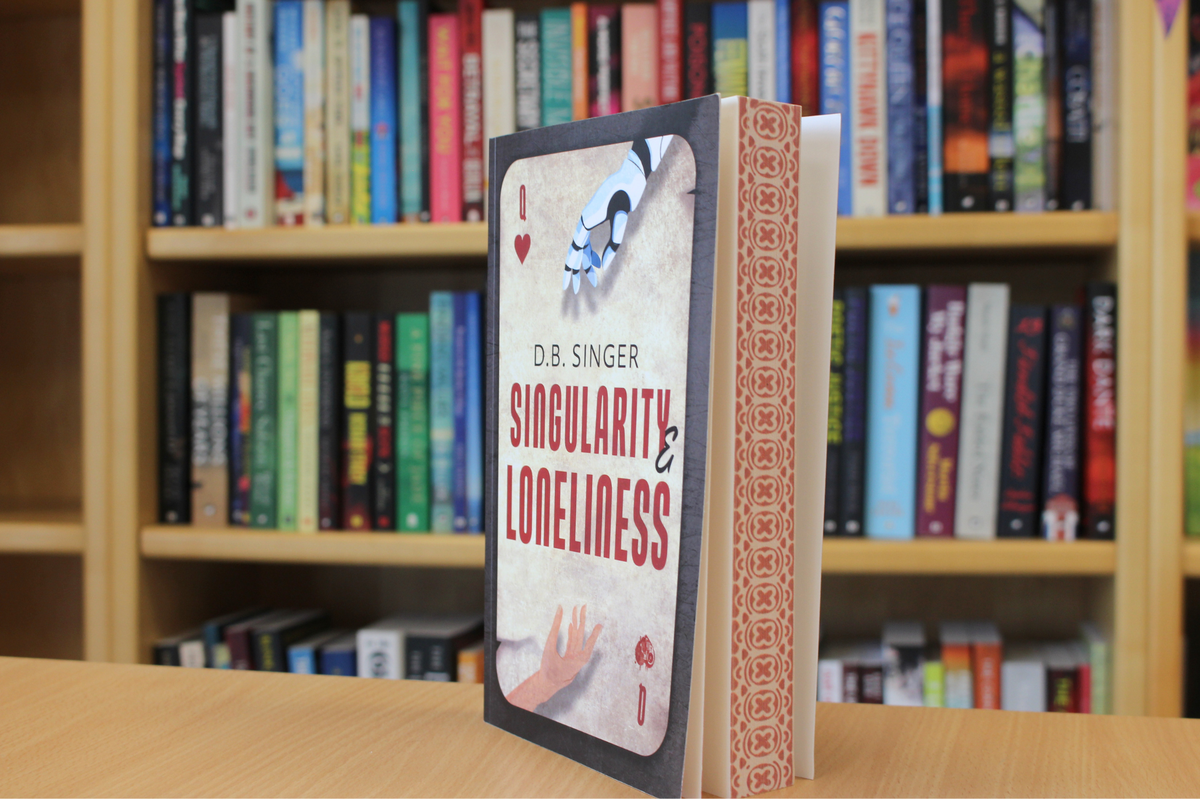 The stencil sprayed edges on Singularity and Loneliness matches a key motif in the book.
Cover Enhancement Limitations
There are a couple of limitations to adding enhancements.
- As we said, they are not available with print on demand. Cover enhancements can only be added with a print run, where books are printed upfront at the same time, and held in storage ready for sale, rather than being printed as required as with POD.
- They give an additional cost on top of standard printing. This varies depending on the enhancement and quantity being printed, but there are plenty of different options at different price points, allowing some flexibility when choosing which to go for. You can also opt for only adding the enhancement to the front cover, as this will be less costly than applying it to the full cover.
The genre you are writing in might well dictate the type of enhancements that would suit your book, so we strongly recommend visiting a bookshop and looking at titles in similar genres to yours and seeing what kind of effects are used. We will happily cost up enhancements for any Troubador author looking to make their printed book stand out, and talk you through the best options – maybe even making a recommendation based on your cover’s design. All of the above options are available for both hardback and paperback books, but your book cover design may favour one more than the others – so don’t hesitate to ask if you would like some advice!
The Environmental Impacts of Book Cover Design
If you are environmentally conscious and want to make your physical product as eco-friendly as possible, while still standing out from the crowd, opting for enhancements such as printed inside covers and embossing may be the better route than enhancements linked to plastics, such as spot UV. These effects make recycling books easier in the future too. You could also look to add a little something by upgrading your standard paperback book to a paperback with flaps (often called French flaps), using these to include additional information such as an author biography or endorsements. These are especially popular for non-fiction and business books.
Summary
Book cover enhancements are a brilliant way to make your book stand out on the bookshelf. Researching covers in your genre and identifying what genres use which cover enhancements can be a brilliant way of ensuring that you optimise your cover design for your target audience.
Troubador authors also benefit from the expert guidance from our production team, to help identify which enhancements would work best for your cover design.
About the Author
Chelsea Taylor
Production Manager
Chelsea heads the busy Production Department, which takes authors from final manuscript submission to printed book. With her vast book production experience, she ensures that production staff are supported, timescales and high production standards are met, and that customer service is delivered. Chelsea is an experienced cover designer and loves creating across a wide range of genres she works on, one of her favourite aspects of her role. Chelsea is also one of our trained Mental Health First Aiders, who work together to ensure that staff always have someone to talk to, arrange activities to promote the importance of wellbeing in the workplace and ensure that staff wellbeing is kept firmly on the agenda.