
21st August, 2026
6 min read
How To Price Your Book: What Indie Authors Should Consider

Written by:
Lauren Bailey
Choosing a competitive, but realistic, cover price for your book is something every self-publisher must consider. Aspiring self-publishers will often ask us “How much should my book cost?” and it’s a very sensible question! Self-publishing can be a considerable investment and it’s understandable that, for a lot of authors, making a net profit is important. The Troubador team suggests a cover price based on our expertise, however, ultimately it is the self-publishing author’s decision what to price their book at.
Suggesting a cover price (RRP: Recommended Retail Price) is one of the many things we do at Troubador on a daily basis, and there are a number of factors that we take into consideration: print unit cost, genre, format (paperback, hardback or ebook) and retailer discounts. Understanding why these factors are important to consider in the pricing of your book is crucial for any self-published author.
In this article, we’ll explore all of these factors in more detail, how they impact a pricing strategy, and whether it’s possible to self-publish and make a net profit.
Print unit cost
At Troubador, we give print costs for different quantities of books (ranging between 200 and 1000 copies) on an author’s initial quotation. Our authors then choose how many copies of their book they want to print when they return a Publishing Contract, meaning we can work out the print unit cost (the print unit cost, or how much each individual book costs to print, is the cost divided by quantity). The more copies the author chooses to print, the lower the print unit cost will be. The lower the print unit cost, the more flexibility you have with the pricing (especially when it comes to making a profit!)
It is also worth mentioning that we do offer print-on-demand at Troubador, although short-run digital printing is the more popular printing option. Print-on-demand titles will have a higher print-unit cost (as it’s more expensive to print one copy at once), so this will be taken into consideration when setting the cover price for a print-on-demand title.
Genre
It’s important to make sure that a book is priced competitively with other books of the same genre. If a customer picks up two children’s paperback picture books about puppies but one is priced at £8.99 and the other at £16.99 – they are likely to choose the cheaper option.
Non-fiction, fiction and children’s books are all priced differently, and it’s important to take this into consideration. As avid readers ourselves, the Troubador team have a good idea of what different types of books should be priced at, however, we do always recommend that the author does some research in bookshops to help them decide on their book’s cover price.
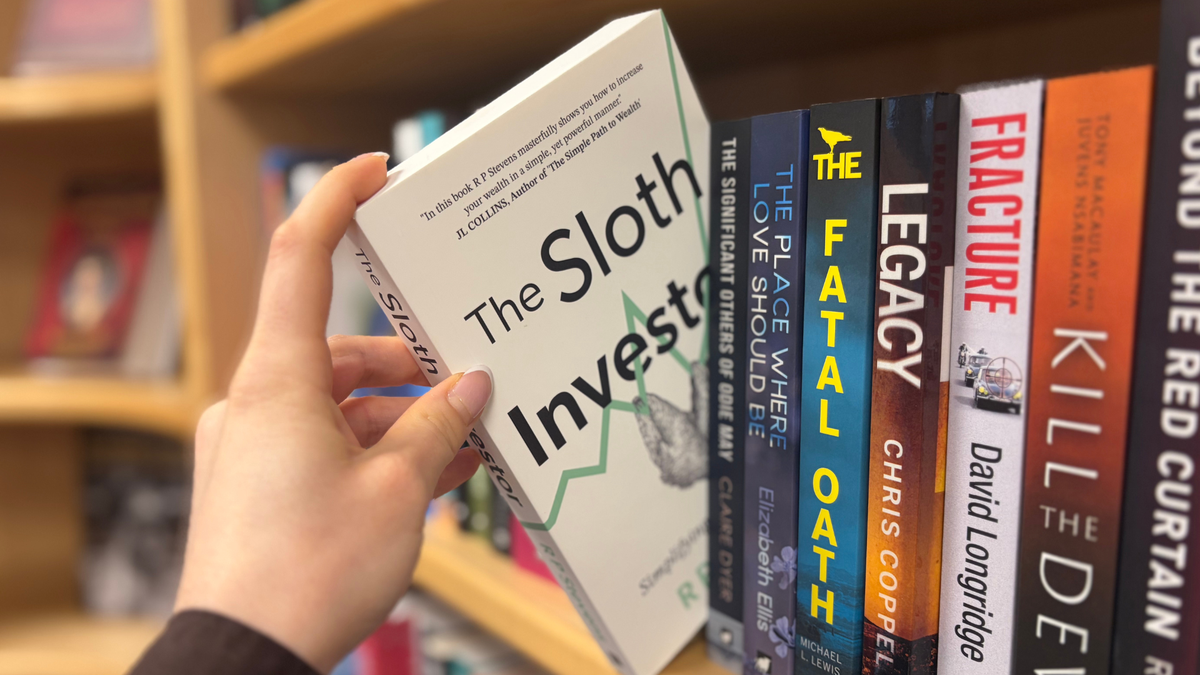
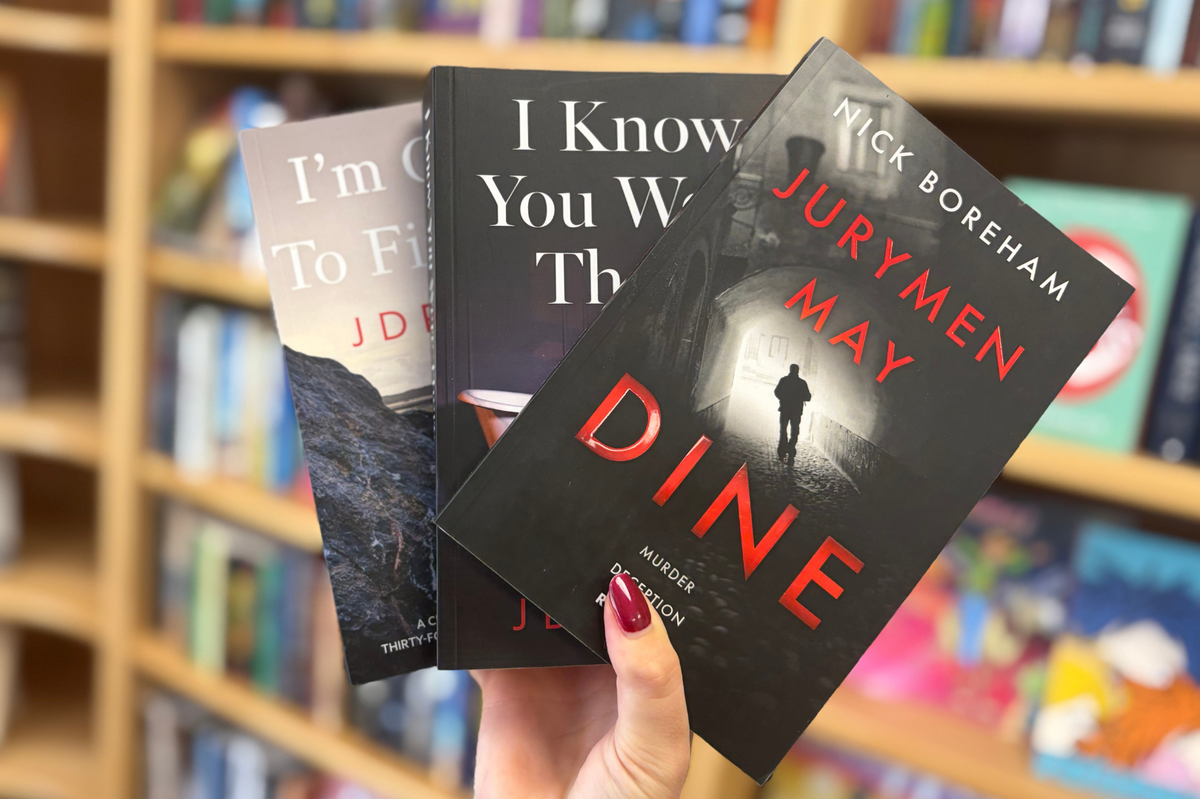 The Troubador team recommend researching the RRP of other books in your genre, to ensure your book is competitively priced
Format
Hardback books are generally priced higher than paperbacks, simply because they are more expensive to print. Books with special features or enhancements (such as sprayed edges, ribbon markers, foil embossing etc) will also have a higher RRP to cover the higher print cost.
A book filled with colour illustrations or photo sections can sometimes retail for more than a text-only book; again, this is down to the cost of printing being higher.
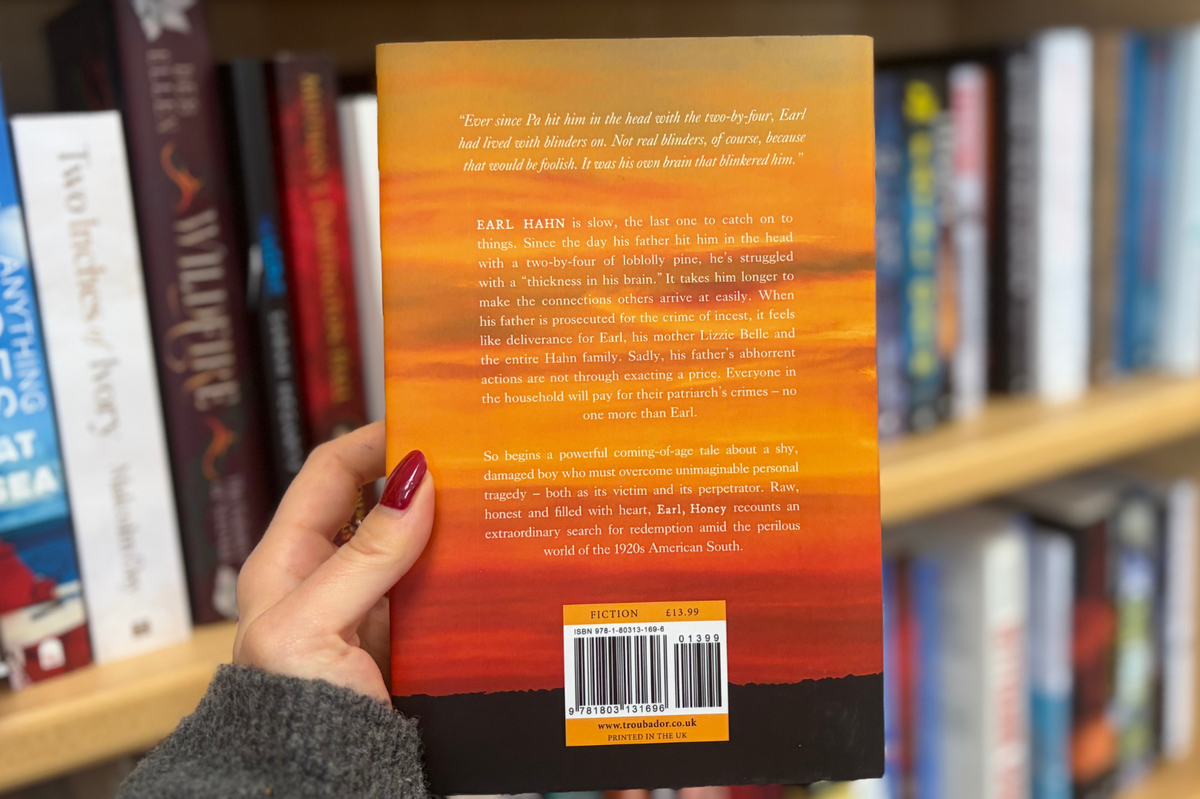 Hardback books will be priced higher than their paperback counterparts, so make sure you research your format's price in your genre to ensure competitive pricing
Once again, exploring what the other books in your genre and format are priced at can be a great way of ascertaining a RRP for your book.
What about ebooks?
When it comes to setting a price for an ebook, we typically look at the price of the paperback/hardback version (if there is one) and the genre of the book. Non-fiction tends to sell for a higher price than fiction, but we need to bear in mind that ebooks have no associated printing, storage, or delivery costs to factor in and so customers will not be willing to pay the same price for an ebook as they would for a physical copy.
For adult fiction we’d suggest a price of £4.99 - £5.99, and for non-fiction £6.99 - £8.99, but it still depends on the price of the physical book. A general rule of thumb is that we’d price the ebook around half the price of the physical book, but this doesn’t always work if we’re dealing with a high cost printed book, as some ebook retailers impose limits on how much we can charge for an ebook.
Ebook retailers take anywhere between 30% and 55% per sale, with Troubador taking 15% of the net receipts. The only retailer that doesn’t take the same percentage each time is Amazon; if an ebook is priced between £1.99 and £9.99, Amazon will take 30% of a sale, but drop the price below £1.99 or increase it above £9.99, and they will then take 65%. For this reason we advise authors to run price drop promotions for a limited time only rather than leaving the ebook at 99p permanently, due to the lower royalty they’ll receive.
In addition, Amazon takes a delivery charge on each sale made (how much depends on the size of the ebook file) but this is usually only a few pence.
The good thing about ebooks is that the price can be changed relatively quickly and easily, unlike a printed book where the price is printed on the back cover and retailers can be more reluctant to take updated data feeds with new pricing information. Limited time ebook price drops to 99p are a great way of boosting interest and encouraging people to take a chance on a book by an author they may not have heard of before! If you’ve written multiple books, especially a series, dropping the other ebooks in the series to 99p around the time that the latest instalment comes out can help boost an interest in the series as a whole.
Retailer discounts
Retailers take between 35% and 60% of the cover price per sale. In addition to this, for books distributed by Troubador, we also take 15% of the cover price (to cover the costs of distribution, etc). For sales directly through the Troubador bookshop on our website, only Troubador’s 15% of the cover price is deducted. This means that Troubador authors can expect to receive anywhere between 25% and 85% of the cover price per sale.
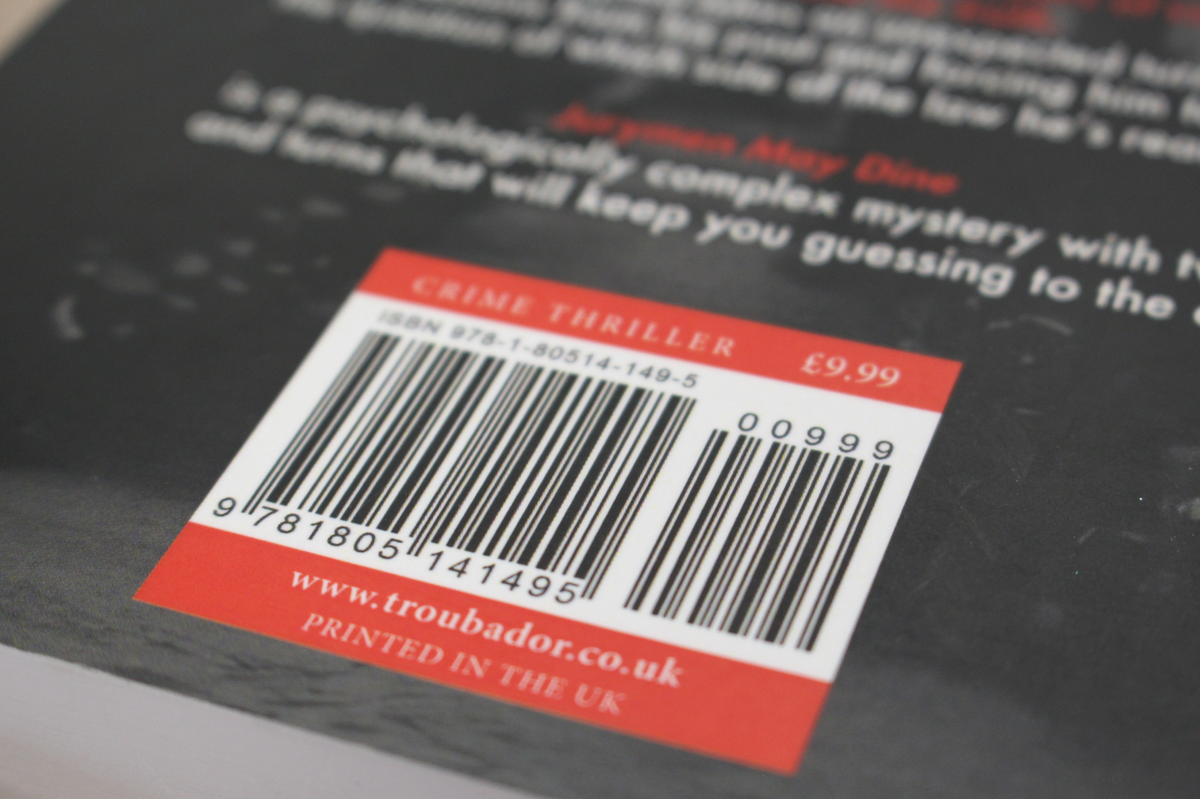
It’s also important to note that the author’s royalty will always come from the book’s cover price (the RRP). If a retailer chooses to sell the book below the RRP then that is at the retailer’s discretion and it does not impact the amount the author receives per sale. For example, if the cover price (RRP) is £10.99 but the retailer chooses to sell it for £8.99, the author will still get their royalty based on £10.99.
For print-on-demand (POD) titles, royalties are worked out differently as all titles are printed and distributed from the POD supplier. Print-on-demand royalties are worked out with the following equation: cover price – 55% – POD unit cost = author royalty. For this reason, the cover price for a POD title has to be more than double the POD unit cost and this is taken into consideration when setting the RRP.
So, is it possible to self-publish and make a net profit?
The short answer is – yes! The longer answer is – yes, but it’s not guaranteed through all sales channels. As with lots of industries, publishing and printing have seen an increase in costs over the last few years. We work with a number of UK-based printers to try and get the best print price possible for each new project that we work on. The Troubador quoting team will suggest an appropriate and cost-effective paper option for each project, which in turn helps to be able to price the book competitively.
For aspiring self-publishers, considering this range of factors can help you strike the balance between being competitively priced and still making a profit. However, ascertaining the right price for you might seem daunting; for Troubador authors, pricing is one of the many areas in which our authors can be guided by experts, who work with book costs day in, day out. If you are interested in getting a bespoke quotation for your project, please submit your manuscript and synopsis to books@troubador.co.uk and a member of the quoting team will be happy to help.
About the Author
Lauren Bailey
Customer Services Manager
Lauren has worked at Troubador since 2011 after graduating with a degree in journalism. Originally trained as a copy editor, Lauren has held a variety of roles including Editorial Manager and Group Customer Services Manager giving her detailed knowledge of the publishing industry. As the Customer Services Manager, Lauren's team works directly with authors to ensure that they start their publishing journey in the best possible way as the people that authors will speak to first at Troubador.