
20th February, 2026
7 min read
Paperback, Hardback, Ebook or Audiobook: Which Format is Best For Me?

Written by:
Becky Connolly
The beauty of self-publishing is the creative control you have over the entire project - but this is exactly what can make it feel so daunting, too! You are asked to make decisions from the offset about a myriad of things - one of which is the format you’d like your book to be published in. Whilst your preference can play its part in this decision, there are certain other factors that you should consider before you finalise your decision on what format you’d like to publish your book in.
Whether you opt for just one format or you’re looking to opt for multiple, how can you decide which ones are best for you?
Consider Your Budget
One of the key deciders between a multi-format publication journey and opting for one is simply down to one’s budget.
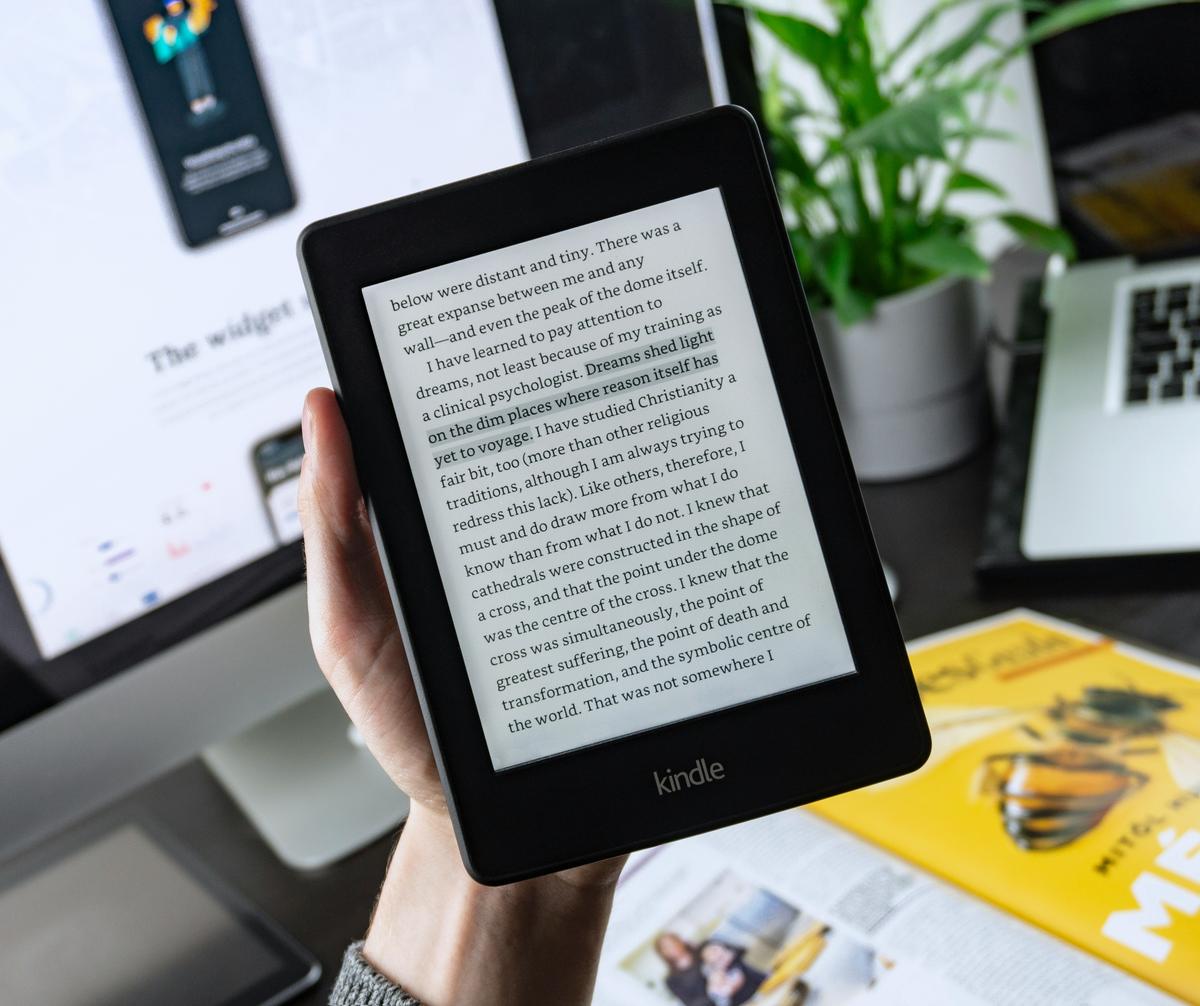
Each format comes with varying prices. The cheapest option is an ebook; whilst you still need to pay for ebook formatting, and you may opt for other services, such as editorial and cover design (both of which are still crucial for ebooks), you don’t have to pay for additional costs, such as printing, storage and shipping.
Paperback is your cheapest print option. This is why it's a great option for most authors, especially those who want to see their books in bookstores. You still get the physical product, but not at the higher price of a hardback.
If you think it may be best for your book, whether it’s because of the genre, or because of the size, you may decide to make room for a hardback in your budget. Whilst for some authors a hardback run may seem unnecessary, for others, it may be required in order for your book to compete against others in the market (i.e, whether it is the expected in your book’s genre)
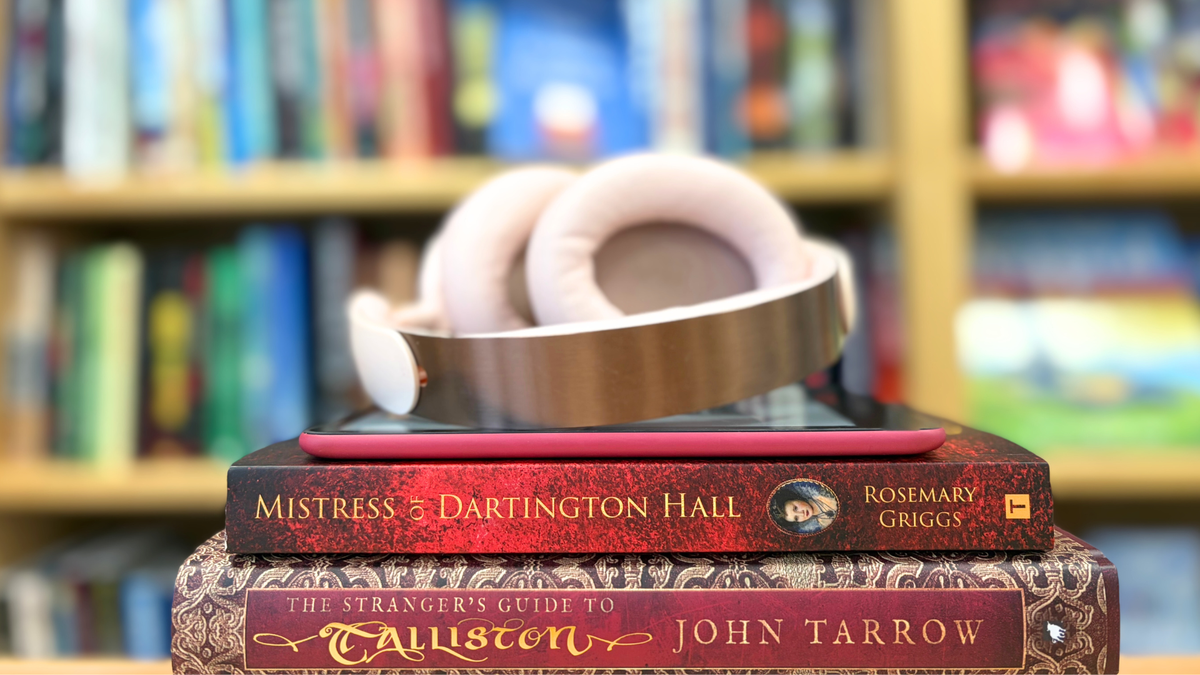
Audiobooks are an increasingly popular option for customers, but they are quite expensive to produce. You need to pay for a narrator, the studio space, and a sound editor, which all adds up. However, if you decide that the multi-format approach is best for you, then an audiobook can be a great addition. Their popularity stems from their ease, and a statista study reveals that 46% of consumers aged 25-34 said they downloaded or accessed audiobooks most days or about once per week. Opting for audiobooks, then, opens your book up to a world of consumers who may not have the time to read a physical book as much as they’d like; our author, Luigi Kohl, explored why he opted for an audiobook in one of our articles. Please note that in order to publish an audiobook, you must have an ebook published first.
What Are Other Books Like In Your Genre?
As with all areas of self-publishing, your competition is a crucial consideration when it comes to opting for format type.
With many books, such as genre fiction, you may find that opting for either paperback or ebooks would be the recommended approach. Traditionally published books are available as paperbacks a few months after publication (and are available immediately as hardbacks and ebooks). This means that for the large part of a book’s life span, there are cheaper alternatives available for readers. According to a survey conducted by BookNet Canada, 41% of respondents preferred paperback books due to their lower cost. Ensuring you don’t ostracise your readers based on cost is so important; especially if the other books you are competing against have a cheaper option available. Children’s picture books and poetry are examples of books that tend to do best as paperback, as opposed to ebooks or audiobooks. Whilst it is not impossible to get a children’s picture book uploaded as an ebook, parents tend to opt for a physical copy.
The most popular fiction hardbacks are romantasy, and in 2024 alone, one out of every four bestsellers on The New York Times Hardcover Fiction Bestseller List were romantasy. Romantasy covers tend to be eye-catching and striking, and coupled with the durability and premium quality of hardbacks, they make the perfect option for romantasy readers who love collectables.
Outside of fiction, hardbacks start to hold their own in adult non-fiction publishing (biography and memoir in particular), as well as books such as encyclopedias and photobooks. Books of these categories also tend to be significantly larger, so a hardback helps maintain durability. For genres like this, hardback may be more of an expectation than a preference.
Ebooks tend to perform very well with genre fiction, particularly thrillers and romance, and self-help books are soaring in the digital publishing industry, with 38% of purchases and nearly 30% of money spent on self-help books coming from ebooks and audiobooks in the Book Machine’s Books & Consumer’s Survey, making these formats a great option for self-help writers.
Consider Price and Marketing
Considering the price point for your book is very important. If you opt for the more expensive options (such as hardback), you may find that you need to up the price of your book to make a profit. Making sure that your book is at a competitive price to others is so important; why would a reader opt for your more expensive book than the more affordable alternative?
Once again, this is something that varies by genre. For a non-fiction book, for example, you can expect to price your book slightly higher than a genre fiction book; we’d recommend a fiction paperback to be between £8.99 - £10.99, whereas a non-fiction paperback could be anywhere between £9.99 and £16.99, and still be a competitive price. When you enter the world of hardbacks, you see fiction hardbacks can be anywhere between £12.99 - £22, whereas a non-fiction book can be between £14.99 to £35. If your book is academic in nature, a collectible, or something like an encyclopedia, you can price it higher still, and it still remains competitive.
Alternatively, with an ebook, not only are the prices the lowest, but you can easily have price changes to help increase sales. Many self-published authors opt for price drops for their ebooks as low as 99p to help increase readership.
So, Who Are They Good For?
Paperback:
The paperback tends to be the most popular option. Popular across a range of genres, cheaper to produce, but still offering authors a physical product to sell, you can’t go far wrong with a paperback. Paperbacks work well for a range of books, such as genre fiction, a range of non-fiction, and children’s books. They are a great option to have on their own, or coupled with other formats, such as an ebook.
Ebook:
The most cost-effective option, ebooks are a brilliant resource for self-published authors. They allow worldwide distribution with lower upfront costs, instantaneous readability and open up the market to readers who prefer an ebook option. Ebooks can also be a great marketing tool, as the ability to drop ebook prices to as low as 99p can be a great incentive to get downloads, boost reviews and increase visibility.
Ebooks can be a great option to have paired alongside a physical book, as well as being an accompaniment to an audiobook. Alternatively, many authors opt for an ebook only run, which can be a good way for authors to test the waters with how their book is received.
Hardback:
Hardbacks are a beautiful, more durable product. As explored, these are often the best option for books that are biographies, academic, photography books or encyclopedias. Alternatively, they are a brilliant way to create a collectible book; paired with a stunning sprayed edge and a striking cover, they will draw in the appeal of those who like books as ‘aesthetically pleasing additions to their living space’.
Audiobook
In recent years, demand for audiobooks has increased exponentially, with audiobook revenue being £268 million in the UK in 2024, which was up 31% in 2023. Audiobooks are great at increasing the accessibility of your book, as it facilitates readership from those who may struggle visually, or alternatively simply for people who opt for audiobooks due to the nature of their lifestyle, as audiobooks are a very popular option with commuters.
Audiobooks can be a great accompaniment to a range of genres; whilst different sources range a variety of genres as the most popular for audiobook (some saying crime, some saying comedy, some saying romantasy), we find that self-help tends to be a particularly successful audiobook genre.
Multi-Format vs Single-Format Publishing
If you have the budget, multi-format publishing can be a great way to ensure that you are not limiting your book to a certain readership. Many readers expect their books to be available in an array of formats, and having these can also form part of a strategic marketing plan. For instance, if you opted for a paperback and an ebook run, the strategic price drops we mentioned earlier could generate more interest, readers, and more reviews, which can end up positively influencing paperback sales. You can read more about Troubador authors who have taken a multi-format approach, and why they opted to do so.
However, many authors opt for an ebook only run or paperback only run. This can be a great way to assess the response to your book, or just put some money aside until you can invest in another format. Remember, at Troubador you can always opt for the production of another format later on, so you won’t be limiting yourself permanently!
Still Uncertain?
If you’re uncertain about which format is best for you, Troubador can help. Booking a consultation with one of our Customer Service advisors gives you the opportunity to discuss your project, including what your goals are for your book, and they can guide you through what options might be best for you.
About the Author
Becky Connolly
Marketing Executive
Becky joined Troubador in September 2025. She studied her BA in English at Exeter, and her MA in Creative Writing at Royal Holloway. Alongside this, she has edited three self-published novels, spent a year writing for the Publishing Post, and worked in marketing in both the education and agriculture sectors. Becky brings her experience of marketing strategy and content creation to craft effective marketing campaigns, promoting Troubador’s services and our authors’ books. In her free time, she loves reading, writing, and treating her cockapoo to long walks and puppacinos.