
25th March, 2026
3 min read
The Growing Threat of AI Scams Targeting Writers

Written by:
Chloe May
Updated June 2026
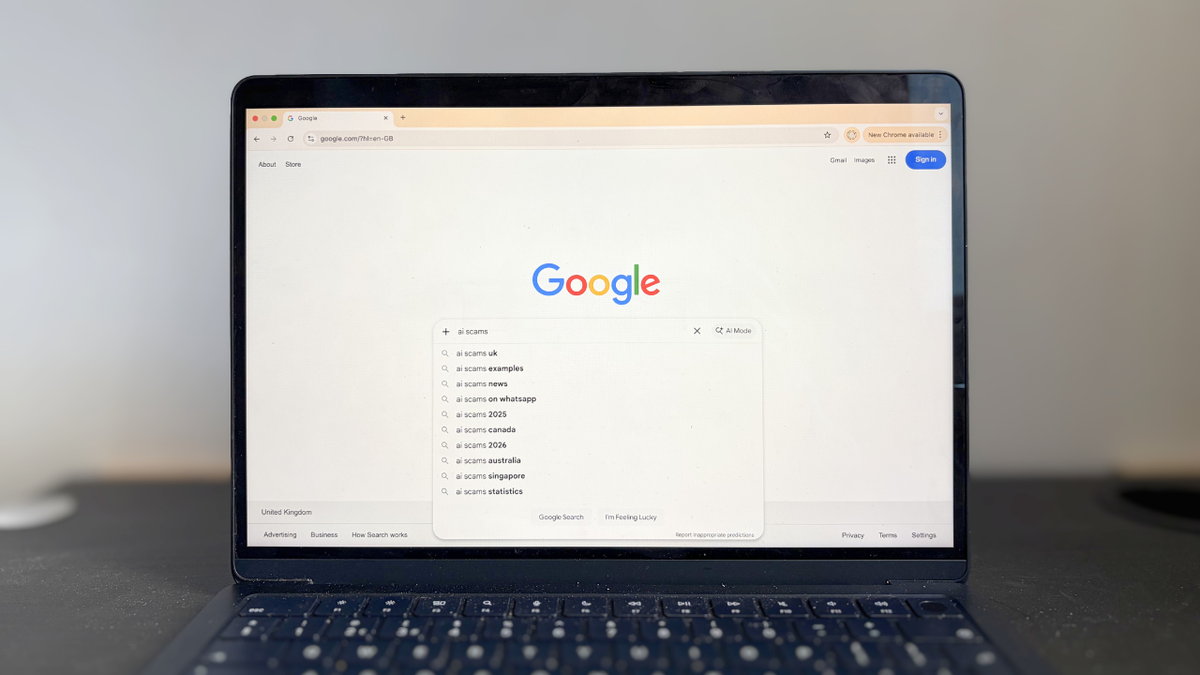
In recent months, we’ve been made aware of a significant rise in scams targeting authors – many of them powered by generative AI. These include fake publicity opportunities, impersonating publishing contacts and unique distribution deals.
How AI has made this worse
Artificial intelligence has changed the nature of these scams in three critical ways:
- Professional quality communication – scam emails are polished, personalised and often indistinguishable from legitimate correspondence.
- Tailored messages to each author and book – by plugging the details of a book into an AI software, scammers are able to target authors individually with tailored messages referencing book titles or recent activity.
- Fewer obvious red flags such as bad grammar and vague language – traditional warning signs that are less obvious in the case of AI-generated content.
Common scams targeting authors
Scams our authors have been targeted with recently (that we’re aware of):
- Multiple enquiries requesting large reprint orders and the shipment of hundreds of copies overseas – offering a wide access to market on receipt.
- Invitations to feature in an online ‘book club’, where a participation fee is only disclosed after initial email exchanges.
- Unsolicited messages from so-called ‘Book Marketing Specialists’ or ‘Amazon Strategists’ who claim to have identified books through online listings.
- Flattering outreach using AI-generated praise messages to build trust before introducing a paid opportunity – this often comes hand in hand with the sender impersonating a famous author or publishing contact.
Troubador Impersonators
Unfortunately, AI scams have also taken to impersonating members of the Troubador team.
Taking details from our website, AI scammers have created fake email addresses to target authors, but used our staff profile photos, titles, and our websites and social media, in order to convey authenticity and build trust.
In light of this, we want to issue a few reminders to all writers:
- Our email addresses end with @troubador.co.uk. Anything from @gmail or any other email provider is not from us.
- We do not initiate contact with authors to offer publishing deals. We will reach out to you if you have submitted a manuscript, of course, and you will receive marketing emails if you sign up to our newsletter, however, we do not send out cold emails with assessments of your unsubmitted title and offer publication.
How to protect yourself
We strongly encourage all authors to take the following precautions:
- Verify every opportunity
If you receive an unexpected offer, confirm the sender’s identity. Do not rely on links or contact details in the message. - Be cautious with upfront or urgent fees
Legitimate publishing partners are transparent about costs and will never pressure you into urgent payments. Scammers often create a false sense of urgency to prevent careful decision-making. - Cross check communication
If something appears to come from a known company or platform, contact them directly through official channels. - Ask us
If you’re ever unsure, reach out to our team. We’re happy to help you assess opportunities and avoid unnecessary risk.
We are actively monitoring developments in AI-driven scams and will continue to provide guidance and support to our authors. The opportunities in self-publishing have never been greater – but unfortunately, that comes with a larger need for vigilance.
Further Reading
The Guardian, ‘Self-publish and be scammed’
Write Beware, ‘Not Simon & Schuster: Deconstructing an Impersonation Scam’