
13th March, 2026
7 min read
Should I get a Professional Cover Designer? DIY vs Professional Cover Design

Written by:
Chelsea Taylor
We’ve said it a thousand times: ensuring your cover design is relevant, aesthetic and eye-catching is crucial if you want your book to get sold. Whether you want it stocked in physical bookshops, or are simply hoping someone might order it online, your cover has to stand out amongst the ever-growing field of other books.
But is it something you should go to a professional for, or can you DIY?
Like all elements of the self-publishing process, choosing between a DIY and professional cover design can be a challenging decision for authors. On the one hand, you may have skills in cover design or an understanding of technology, and on the other, you may be curious about what using a professional cover designer can offer you.
In this article, we will look at everything you need to consider when designing your cover, and explore whether it is something you can DIY, or if a cover designer is best for you.
What To Consider When Designing Your Cover
Whether you opt for a professional or decide to DIY, there are certain things that should be considered in the creation of your cover design.
Audience
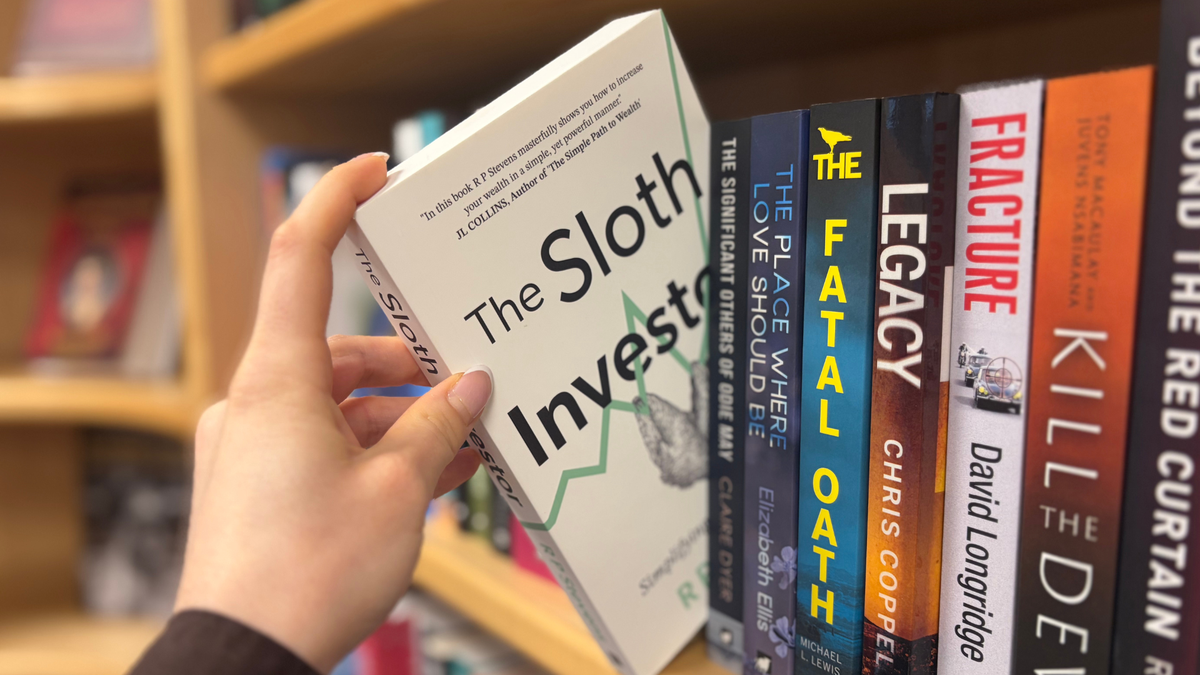
Firstly, who is your audience and how will your cover reach them? Put more simply, who do you hope will be buying your book? This is important to decide now because genre and audience massively affect design. Pick up some books at your local bookshop and ask yourself, ‘Who is this book for?’ You will get it right 99% of the time because there are key trends and styles that apply based on the target audience and the genre. Perhaps, it goes without saying, but adults and children like very different covers and on the whole, different genders are drawn to different designs.
Familiarise yourself with books in your genre and look at the trends. No one’s suggesting that you replicate other covers completely or that you can’t be original, but to an extent, there is a formula involved, and it will affect how well your book sells. It could even be the deciding factor as to whether or not your book is stocked in a bookshop. Once you have identified your audience, make the decision to keep it simple.
Your aim is not to see if you can depict the whole story in the front cover image; you want to keep your readers guessing. Wrap your story beautifully – give them just enough clues to make them want to open it.
If you’d like to DIY, like all areas of self-publishing, then research, research, research! If you opt for a professional, they will consider your target audience when designing the cover, to ensure it appeals to them.
Genre
We’ve touched on this already but accurately portraying genre in a cover is vital. Readers want to know what they will get before they purchase a book. Taglines and blurbs play a part in that but everybody judges a book by its cover. Use bold text with just a few colours that reflect the genre.
Do covers in your genre tend to be more text-based or image-heavy? For example, a lot of business and self-help have more text-based covers. These still need to be designed – it won’t just plonk the text on the cover – but it will be a different process to that of using stock images or hiring an illustrator to do the bulk of the design work for you.
Images should support the typography by reflecting themes and alluding to elements of the story. Shadows, for example, tend to insinuate crime and mystery… Again, it’s about looking at themes and current trends and using them well.
Trends
Understanding trending cover designs could be the difference between your book being merely skimmed over, and being picked up and purchased. Like most things in the market, books too are subject to trends and engaging with them can ensure that your book is identified as timely, relevant and trendy.
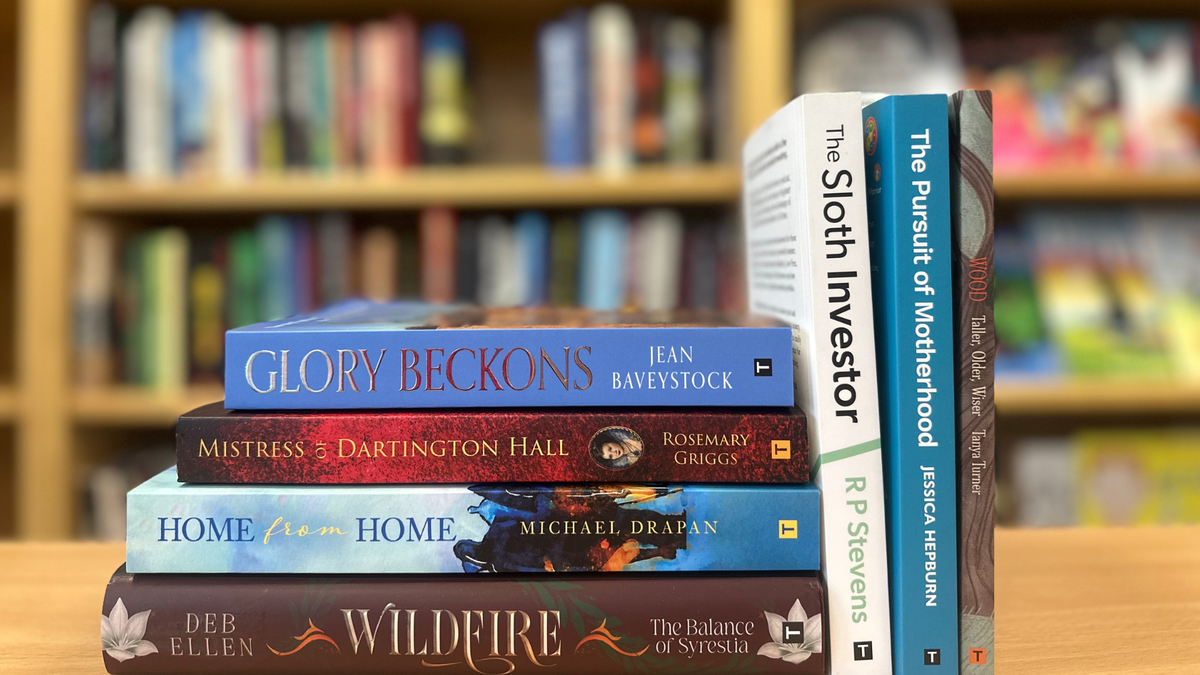
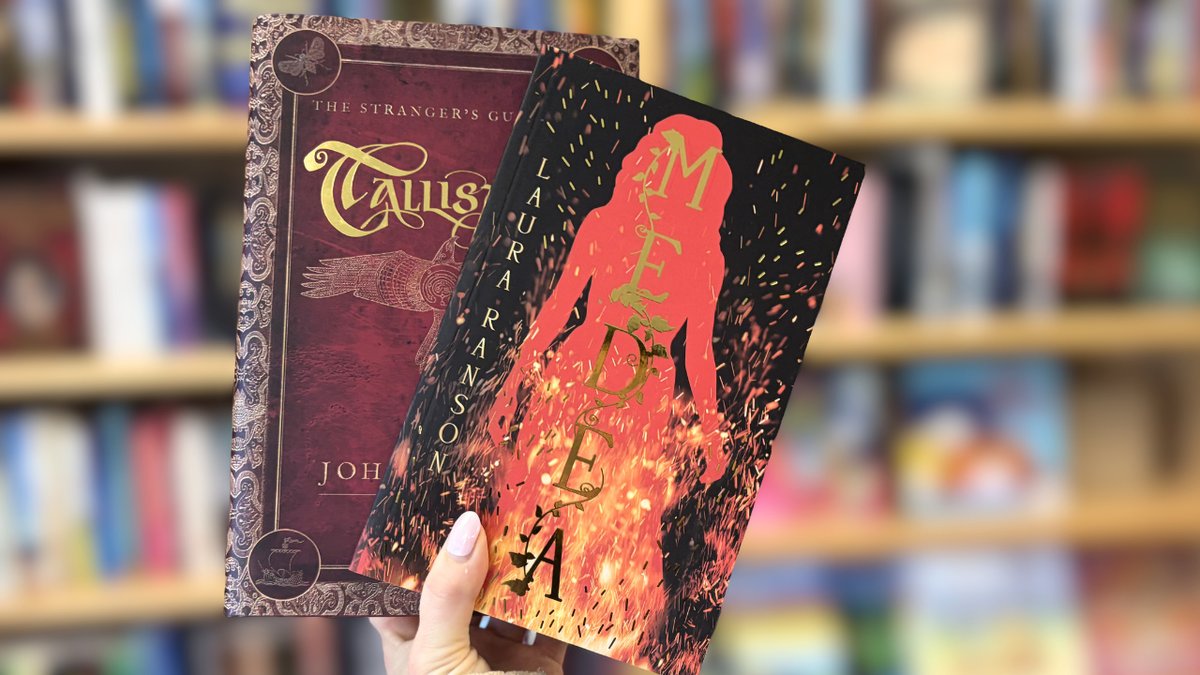
Whether you’re designing your cover yourself or you’re working with a professional, you’ll want to look into books of your genre. See if you can pick out any trending images, themes, or even enhancements that are typically used in that genre (Greek Mythology, for instance, tends to use a lot of gold foiling). Book lovers are drawn to a stunning cover, and many book lovers are book collectors too - leaning into these trends is key to encourage them to pick it up and add it to their collection. As with genre and audience, cover designers are constantly staying up-to-date on the latest trends.
To read all about the expected 2026 cover trends for adult books, check out our article. If you're interested in trends for children's books in 2026, check out this article.
Software
Be mindful of the software that you use. In the same way that Microsoft Word is not a typesetting software, nor is it a cover design tool; it compresses images and produces amateurish results. Do not use Word or Paint! Think about investing in image editing software such as Photoshop, Illustrator or InDesign. They all have pros and cons so choose the one that works for you. Many people are now opting for Canva, which is 'Photoshop but made easy'. Canva is a brilliant tool, but it doesn't have the depth of tools and resources that Photoshop has, and therefore this means Canva creations will always be a bit more 'basic' than something a designer could come up with Photoshop.
Most platforms offer free trials online, which allow you to try before you buy.
Formats
Be aware that different formats can require different covers. If you plan to publish an ebook and a printed book, let your designer know at the beginning of the process so that the cover will be suitable for both. Otherwise, you can run the risk of having a too ‘busy’ ebook cover that won’t convey the genre or the key information adequately when viewed at thumbnail size. Similarly, audiobook covers need to be square – something to consider when you are briefing your designer.
Your Own Limitations
It is important that you know your own design limitations. Unless you are a designer (and by this I mean not just that you have an artistic ability but that you have real design experience), you might wish to enlist the help of an expert. Knowing what works and how to do it properly is very different. External designers sometimes struggle to supply the cover in the way that the printers need it (they have criteria for colour, resolution, crop marks, bleed and actual sizing) so make sure that if you use one, you have the specifications to hand to pass to them before they start work. They should be familiar with the jargon but you will need to pass on the specs as early on in the design process as possible.
Covers that are going to be printed need to be 300 dpi, and, if you aren’t able to supply this, pixelation occurs. For example, if you change a 72dpi image to 300dpi in Photoshop, the software will fill in the gaps between the 72 dots with the closest colour until it reaches 300, which when printed, makes it look like a series of little squares, ie. blurry or pixellated. The cover needs to be designed at 300dpi otherwise it’s impossible to make a lower-resolution image look crisp when printed. Make sure you know how to design a cover appropriate for the method of printing.
AI-Created Covers
With the rise of AI-generated covers, we recommend caution. Whilst it can seem like a cheap and quick solution, AI-generated covers aren’t a great option for authors. Firstly, printers need the images to be a certain size. Typically, AI platforms produce covers which are 72 DPI (dots per inch), which cannot be used by printers. AI also tends to produce covers in the same style, which means the cover design will be identifiable as AI, and authors will miss out on a unique touch that an artist can provide, which can lead to a lack of engagement.
But, perhaps, most importantly of all, many retail platforms require you to disclose if you have used AI in the production of your novel, and there is often no option to specify whether this was used in the cover or in the text, which maybe concerning to some authors. Therefore, we recommend that authors continue to use human artists, rather than leaning towards artificial intelligence.
DIY or Professional?
Opting between DIY and professional is a big decision for any author. If you have the software, market knowledge, and capacity to create an eye-catching, striking book cover, then go for it! However, if you feel you aren’t able to do the cover justice, then going to professional may be the best way forward. The last thing you want after working so hard on your book is for it to be looked over because of cover design!
Opting for a professional may include other benefits, such as access to cover enhancements, including embossing, foiling, and sprayed edges, to really make your book the most stunning product it can be.
If you are at all unsure about cover design, then have a chat with someone who does it on a daily basis! Books are very much judged on their covers, and ensuring yours is commercially relevant and engaging is crucial.
About the Author
Chelsea Taylor
Production Manager
Chelsea heads the busy Production Department, which takes authors from final manuscript submission to printed book. With her vast book production experience, she ensures that production staff are supported, timescales and high production standards are met, and that customer service is delivered. Chelsea is an experienced cover designer and loves creating across a wide range of genres she works on, one of her favourite aspects of her role. Chelsea is also one of our trained Mental Health First Aiders, who work together to ensure that staff always have someone to talk to, arrange activities to promote the importance of wellbeing in the workplace and ensure that staff wellbeing is kept firmly on the agenda.