Media & The Arts
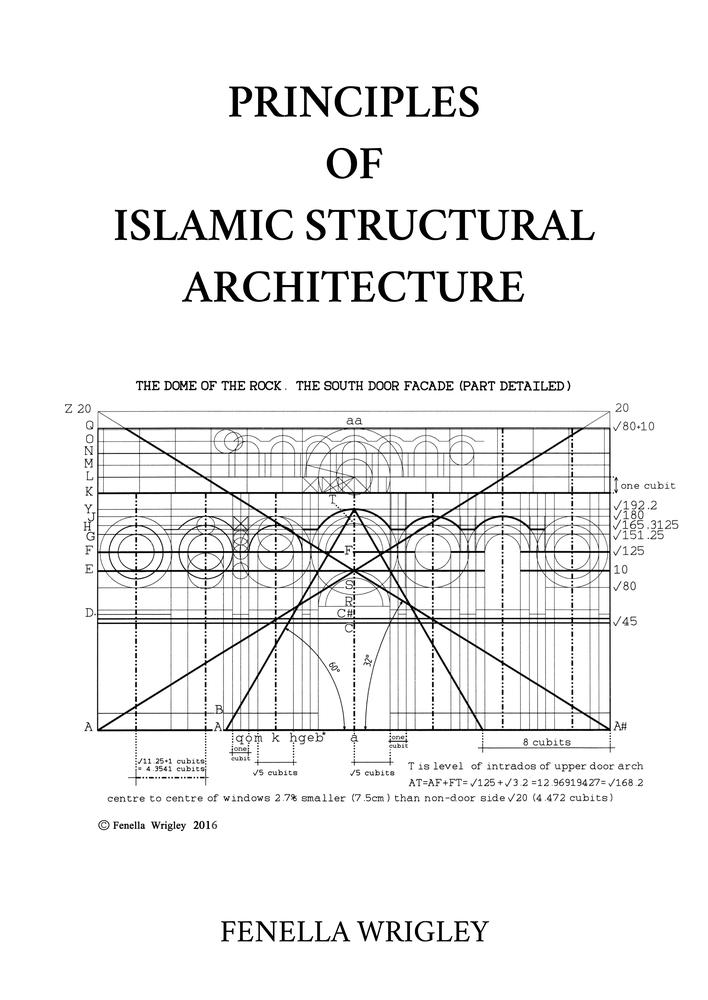
This is the first consistent, wide-ranging, in-depth analysis of the design of Islamic buildings based on the use of mathematics, geometry and proportion and presented in terms of a precise, verifiable cubit. The integration of the systems is self-confirming. The long sought after but elusive keys to unlocking the Muhandis’ design methods are demonstrated. This book elucidates the methods of designing Islamic buildings and solves the question of the exact size of the cubit from early records. This ground-breaking work opens the way for a multitude of research projects.
The use of CAD has allowed the design of five buildings to be precisely depicted using the fixed parameters of the Muhandis’ geometrical design and unit of generation in cubits. The use of cubits revealed hidden patterns intimating a numerical significance not evident in the metric system. About 100 drawings present the plans, elevations and detailed structures of the selected buildings and accurately reflect the metric measurements throughout. Additionally, the geometry of the plan of the Dome of the Rock adopted by Creswell is shown to be incorrect and is modified and replaced by a simple, straightforward and practical solution.
Principles of Islamic Structural Architecture aims to inspire others and help the unravelling of the designs of further beautiful and intriguing Islamic buildings.
No reviews yet. Be the first to write a review