History, Politics & Society
Why do the British love their dogs? Not as sentiment. As memory.
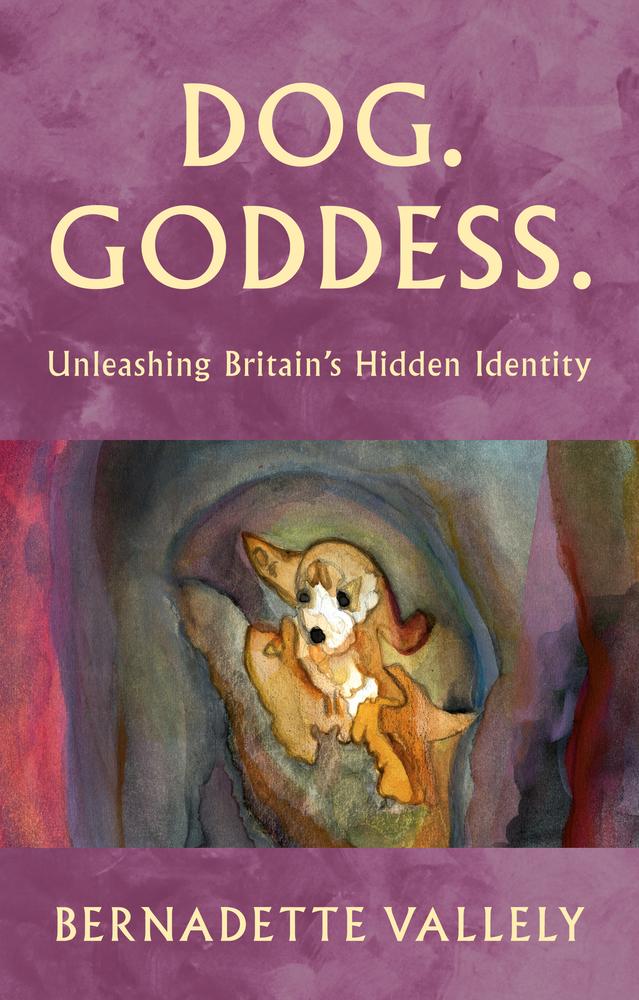
Two thousand years ago, a Goddess stood on the hill where St Paul's Cathedral now rises, and at her feet a dog looked up — collarless, wild, entirely hers. That dog is still carved in Roman stone, still pressed into thousands of pottery fragments that museums have quietly labelled "tableware." After twelve years inside the archives, Bernadette Vallely followed the dog and found what two centuries of scholarship had mislabelled, miscatalogued, and missed: Diana was the principal deity of Roman London — and her hound was sacred.
Britain's identity as a nation of dog lovers is not a modern quirk. It started two-thousand-years ago, woven into the founding story of this island. In London, some of the parks where we walk our dogs are sanctuaries for the Goddess today. The devotion we feel for them is the oldest surviving bond in British life.
Diana was the Goddess of wild animals and dogs, of seeds and acorns, of the protection of children and midwifery — and of witchcraft. Her familiar was a dog, not a cat. From Iron Age coins to the Royal Parks, this is the hidden history of Britain's oldest love story. Here, for the first time, is the evidence.
No reviews yet. Be the first to write a review