






NetGalley Reviewer
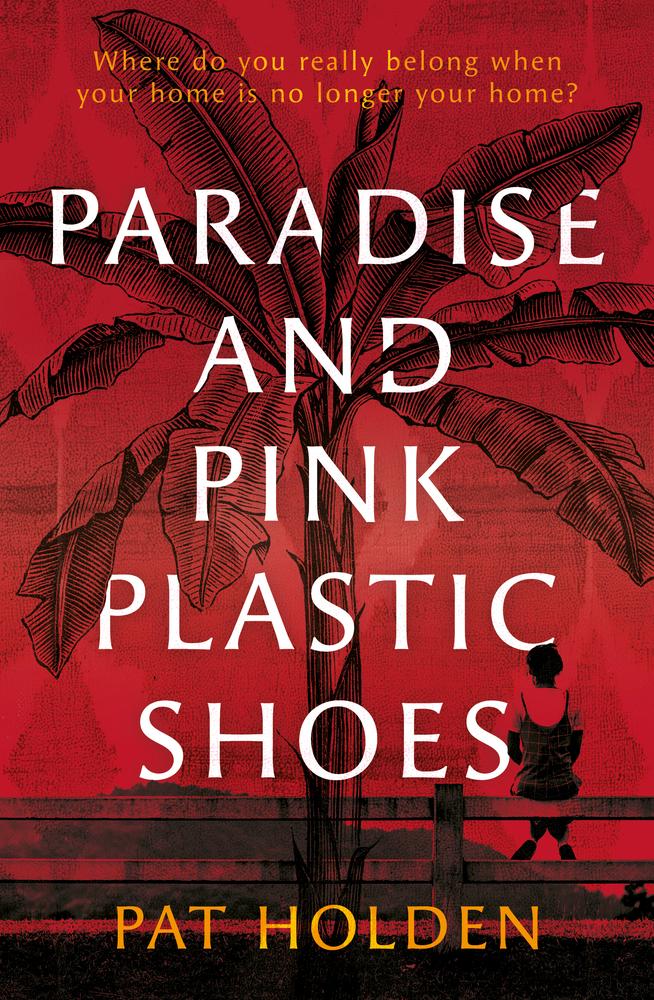
Not many people under 50 today are likely to have even heard of Uganda’s Idi Amin, one of the 20th century’s most despotic rulers whose extreme cruelty included forcing prisoners to club each other to death, a barbarity recounted by a British expatriate in Pat Holden’s compelling fictional rendition of that time, “Paradise and Pink Plastic Shoes.” “(Prisoners were made to) shatter the skull of the man in the front by hitting his head with a twenty-pound hammer,” the still-trembling Brit, Roger Templemead, tells his wife, Freya, after he’s released from Amin’s notorious Makindye Prison. But as chilling a figure as Amin is presented as in the novel (and as fearful a figure as he indeed was in real life) and as growingly fearful as the expatriate community is of what might be expected from him, finally Holden’s novel isn’t so much about him as it about Freya, whose situation is fraught with anxiety, what with her having suffered a miscarriage before she ever arrives in Uganda, and, once there, with her being overwhelmed by a new land and a husband she’s still not completely comfortable with – he might even be a spy, she comes to find out – and with her feeling estranged from her fellow expatriates after deviating from the party line in her views. Most distressing of all, though, to her is the growing suspicion that Roger might have been intimate with their “house woman” and, worse yet, that the woman’s offspring might be his. All very absorbing, certainly, though for all the sensitivity with which Freya’s situation is rendered, and it’s depicted so compassionately that it’s impossible not to feel for her, still her circumstances paled a bit for me before the horror of Amin’s regime, which I would have liked more of. Nevertheless, Holden’s novel is an eminently readable rendition of a particularly scary time and reminiscent for me, with its descriptiveness about East Africa and possible spy element, of the exemplar of such fiction, Graham Greene.
